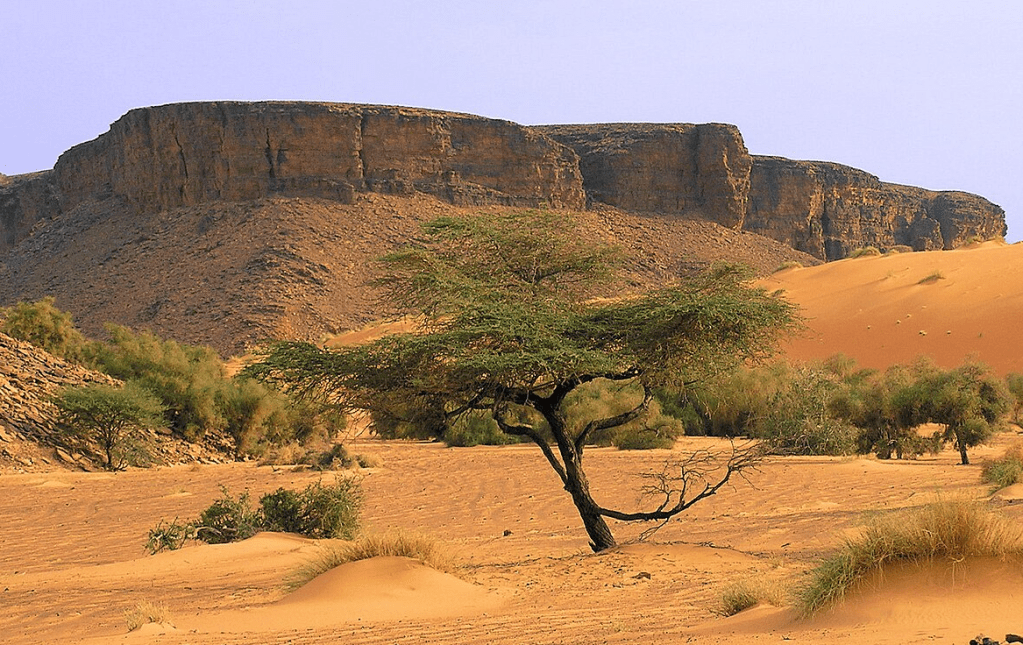
Here is your travel guide for Mauritania.
Welcome to the unique and captivating land of Mauritania. This guide will help you uncover the hidden gems, historical treasures, and vibrant culture that make this North African country a remarkable destination.
Interesting Facts and Historical Information:
Mauritania boasts a rich history of empires and ancient civilizations, including the Ghana, Mali, and Songhai Empires. Its landscape is defined by vast deserts, rugged mountains, and the mighty Senegal River.
Popular Tourist Cities:
Major Cities:
- Nouakchott: The capital city and the country’s largest urban center.
- Nouadhibou: A coastal city known for its fishing industry and unique ship graveyard.
Getting There:
Major Airports:
- Nouakchott-Oumtounsy International Airport: The primary gateway to Mauritania.
- Nouadhibou International Airport: Serving travelers heading to the northern regions.
Visa Requirements:
Check the visa requirements before visiting Mauritania, as they may vary based on your nationality.
Public Transportation:
Public transportation options include buses, shared taxis, and private taxis.
Accommodation:
Accommodation Options:
- Hotels: From budget to upscale, hotels are available in major cities and tourist areas.
- Guesthouses and Lodges: Experience local hospitality and culture by staying in guesthouses.
Popular Neighborhoods:
- Tevragh Zeina (Nouakchott): A vibrant neighborhood offering a mix of markets, shops, and eateries.
- Al Medina (Nouakchott): Explore local life and enjoy traditional Mauritanian cuisine.
Average Cost of Accommodation:
Accommodation costs vary by location and type. Budget accommodations start at around $30 per night, while mid-range hotels can range from $70 to $150.
Things to Do:
Top Attraction:
- Banc d’Arguin National Park: A UNESCO World Heritage site and haven for migratory birds and marine life.
Local Tours:
- Desert Safaris: Embark on a desert adventure and experience the vastness of the Sahara.
- Camel Trekking: Explore desert landscapes on camelback and immerse yourself in the nomadic way of life.
Shopping Areas:
- Souq Al Khamis (Nouakchott): A traditional market offering handicrafts, textiles, and spices.
Outdoor Activities:
- Atar Dunes: Experience the surreal landscapes of the Atar Dunes and hike to the rim of the Terjit Oasis.
- Chinguetti: Explore the ancient desert town, known for its historic libraries and ancient architecture.
Entertainment Venues:
- Bab Sahara (Nouakchott): A cultural center hosting live music performances and traditional dance shows.
Dining and Nightlife:
Popular Local Cuisines:
- Thieboudienne: A flavorful dish of fish and rice, considered the national dish.
- Couscous: Enjoy this staple made from semolina and served with various toppings.
Must-Try Dishes or Restaurants:
- Grilled Fish: Savor freshly caught fish prepared with local spices at beachside shacks.
- Restaurant Le Matin (Nouakchott): Experience Mauritanian cuisine in an atmospheric setting.
Budget-Friendly Restaurants:
- Local Eateries: Sample traditional Mauritanian dishes at local restaurants and street vendors.
Local Culture and Etiquette:
Local Culture, Customs, and Traditions:
Mauritanian culture is influenced by Islamic traditions, Bedouin heritage, and nomadic lifestyles.
Appropriate Dress Code:
Dress modestly, especially in urban areas, to respect local customs and traditions.
Cultural Norms for Visitors:
Show respect for elders, seek permission before taking photographs, and engage in conversations with locals.
Tipping Practice:
Tipping is not mandatory but appreciated for good service.
Safety and Health:
Vaccinations:
Consult your healthcare provider for recommended vaccinations before traveling to Mauritania.
Health Concerns:
Stay hydrated, protect yourself from the sun, and be cautious with local water sources.
US Embassy:
The U.S. Embassy in Nouakchott provides consular services.
Useful Information:
Local Currency:
Mauritanian Ouguiya (MRO) is the official currency.
Language Spoken:
Arabic is the official language, and French is widely spoken.
Time Zones:
Mauritania operates on Greenwich Mean Time (GMT).
Best Time of Year to Visit:
The dry season, from November to April, is the ideal time to visit due to pleasant weather.
Seasonal Festivals:
Eid al-Fitr and Eid al-Adha are significant religious festivals celebrated with traditional food and family gatherings.
Contact Information for Local Tourism Offices:
For more information and assistance, contact the Ministry of Tourism and Handicrafts:
Website: www.mtourisme.mr
Conclusion:
Mauritania offers a blend of history, culture, and breathtaking natural landscapes that are sure to captivate every traveler’s heart. Whether you’re exploring ancient cities, embarking on desert adventures, or savoring traditional cuisine, Mauritania promises an unforgettable and authentic experience.
Make sure to do your own research before traveling to any foreign country. It is always a good idea to check for travel advisories from government resources before traveling.
U.S. Department of State – Travel.State.Gov:
- Website: https://travel.state.gov
Centers for Disease Control and Prevention (CDC):
- Website: https://www.cdc.gov/travel
UK Foreign, Commonwealth & Development Office – Travel Advice:
Be safe and enjoy your travels! Leave us a comment or photo of your adventures.
Don’t forget to like, share and comment!

 Home
Home 
Leave a comment