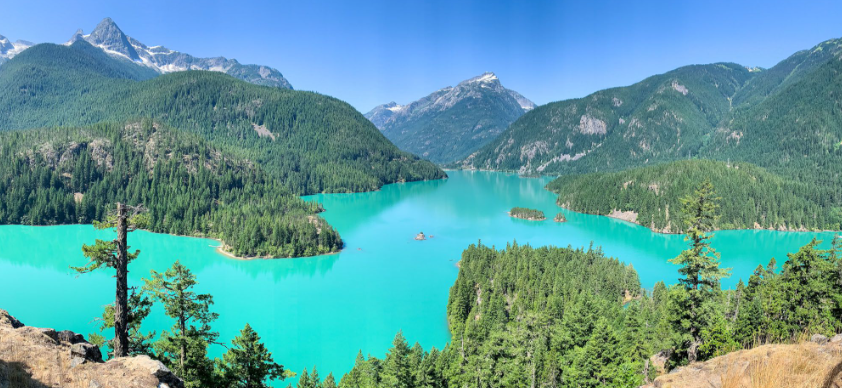
North Cascades National Park, located in Washington State, is a pristine wilderness area known for its rugged mountain landscapes, alpine lakes, and abundant wildlife. Here’s a travel guide to help you plan your visit to this remote and stunning national park:
1. When to Visit:
- The best time to visit North Cascades National Park is during the late spring, summer, and early fall months (June to September) when most park facilities, roads, and trails are open and accessible.
- Keep in mind that the park’s weather can be unpredictable, so be prepared for varying conditions.
2. Getting There:
- The park is located about three hours northeast of Seattle, Washington. The nearest major airport is Seattle-Tacoma International Airport.
- The North Cascades Highway (State Route 20) provides access to the park and offers scenic drives.
3. Visitor Centers:
- Start your visit at one of the park’s visitor centers, such as the North Cascades Visitor Center in Newhalem or the Wilderness Information Center in Marblemount. Here, you can obtain maps, information about ranger-led programs, and learn about the park’s natural history.
4. Hiking:
- North Cascades is a hiker’s paradise with a network of trails that cater to different skill levels. Some popular hikes include the Cascade Pass Trail, Sahale Arm Trail, and the Blue Lake Trail.
- Check trail conditions and be prepared for changes in weather and terrain.
5. Scenic Drives:
- Explore the park’s breathtaking landscapes by driving along the North Cascades Highway. The highway provides access to several viewpoints, trailheads, and campgrounds.
6. Camping:
- The park offers a range of camping options, from front-country campgrounds to backcountry sites. Reservations are recommended, especially during the peak summer months.
7. Fishing:
- The park’s rivers and lakes offer excellent fishing opportunities. Be sure to check fishing regulations and obtain the necessary permits.
8. Ranger Programs:
- Join ranger-led programs, including guided hikes, talks, and stargazing events, to learn more about the park’s natural and cultural history.
9. Wildlife Viewing:
- North Cascades is home to a variety of wildlife, including black bears, mountain goats, marmots, and a diverse range of bird species. Bring binoculars and a camera for wildlife viewing.
10. Photography:
- The park’s rugged landscapes, alpine lakes, and mountain vistas provide numerous photography opportunities. Capture the dramatic scenery during sunrise and sunset.
11. Safety Precautions:
- Be prepared for rapidly changing weather conditions. Dress in layers, carry rain gear, and bring essentials like water, snacks, and a map.
- Stay on designated trails to protect fragile ecosystems and follow Leave No Trace principles.
12. Leave No Trace:
- Help preserve the park’s pristine environment by following Leave No Trace principles. Pack out all trash, minimize your impact, and respect wildlife and vegetation.
13. Nearby Attractions:
- Explore nearby attractions such as the Ross Lake National Recreation Area, Diablo Lake, and the charming town of Winthrop.
14. Entrance Fees:
- There are entrance fees to access the park, which help support its maintenance and conservation efforts. Check the National Park Service website for the latest fee information.
Visiting North Cascades National Park offers a chance to immerse yourself in the beauty of the Cascade Range, hike through remote and rugged landscapes, and connect with nature in its purest form. Whether you’re exploring mountain trails or marveling at alpine lakes, the park provides a memorable and authentic wilderness experience for outdoor enthusiasts and nature lovers alike.


 Harness Money
Leave a reply to Jyothi Cancel reply