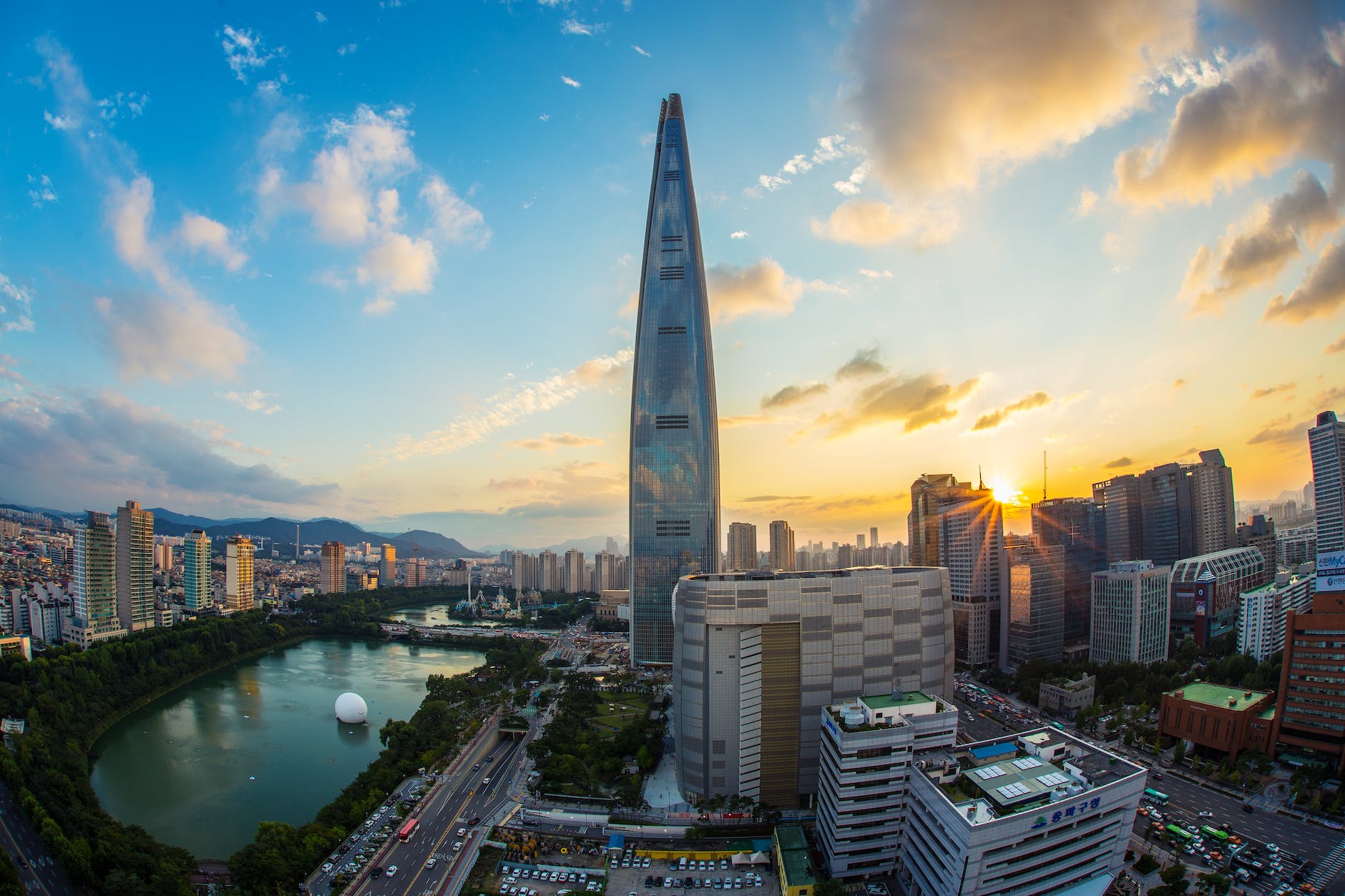
Here is your travel guide for South Korea.
Welcome to South Korea, a country where ancient traditions harmonize with modern innovations. This guide will help you navigate its diverse cities, experience its unique culture, and discover its natural beauty.
Interesting Facts and Historical Information:
South Korea boasts a rich history dating back thousands of years, with influences from Chinese, Japanese, and Mongolian cultures. It’s known for its technological advancements, K-pop music, and delicious cuisine.
Popular Tourist Cities:
Major Cities:
- Seoul: The bustling capital with a mix of modern skyscrapers and historic palaces.
- Busan: A coastal city famous for its beaches, seafood markets, and vibrant nightlife.
Getting There:
Major Airports:
- Incheon International Airport (Seoul): The main gateway to South Korea.
Major Train Stations:
South Korea’s efficient train network connects major cities, with Seoul Station being a central hub.
Major Highways:
Well-maintained highways link cities and regions across the country.
Visa Requirements:
Check visa requirements based on your nationality before traveling to South Korea.
Public Transportation:
South Korea’s public transportation system includes subway, bus, and train services, making it easy to travel within cities and across the country.
Accommodation:
Accommodation Options:
- Hotels: Range from budget to luxury, with options in major cities.
- Guesthouses: Offer affordable stays and opportunities to meet fellow travelers.
- Hanok Stays: Traditional Korean houses for an authentic experience.
Popular Neighborhoods:
- Myeongdong, Seoul: A shopping and entertainment district in the heart of the city.
Average Cost of Accommodation:
Accommodation costs vary based on location and quality. Budget options start around KRW 30,000, while mid-range hotels range from KRW 70,000 to KRW 150,000.
Things to Do:
Top Attraction:
- Gyeongbokgung Palace, Seoul: Explore this iconic palace and witness the changing of the guard ceremony.
Local Tours:
- DMZ Tour: Visit the Demilitarized Zone, a unique insight into the Korean War’s aftermath.
Shopping Areas:
- Dongdaemun Market, Seoul: Shop for fashion, fabrics, and electronics at all hours.
Outdoor Activities:
- Bukhansan National Park, Seoul: Hiking trails and panoramic views of the city.
Entertainment Venues:
- COEX Mall, Seoul: A massive underground shopping complex with theaters, exhibitions, and events.
Dining and Nightlife:
Popular Local Cuisine:
- Kimchi: Fermented spicy cabbage, a staple in Korean cuisine.
- Bulgogi: Grilled marinated beef served with rice and vegetables.
Must-Try Dishes or Restaurants:
- Gwangjang Market, Seoul: Sample street food and authentic Korean dishes.
Budget-Friendly Restaurants:
- Local Eateries: Try “samgyetang” (ginseng chicken soup) and “bibimbap” (mixed rice).
Upscale Restaurants:
- Jungsik, Seoul: Offers innovative interpretations of traditional Korean dishes.
Popular Nightlife Spots:
- Hongdae, Seoul: A district known for its youthful energy, clubs, and live music venues.
Local Culture and Etiquette:
Local Culture, Customs, and Traditions:
Korean culture emphasizes respect and harmony. Bowing is a common greeting, and removing shoes indoors is customary.
Appropriate Dress Code:
Dress modestly when visiting temples and palaces. Casual attire is acceptable in most places.
Cultural Norms for Visitors:
Politeness and patience are appreciated. Punctuality is essential, especially for business meetings.
Tipping Practice:
Tipping is not common in South Korea; service charges are often included in bills.
Safety and Health:
Vaccinations:
No specific vaccinations are required for entry, but check with your healthcare provider.
Health Concerns:
South Korea has high health and hygiene standards. Tap water is safe to drink.
US Embassy:
The U.S. Embassy in Seoul provides assistance to American citizens.
Useful Information:
Local Currency:
South Korean Won (KRW) is the official currency.
Language Spoken:
Korean is the official language.
Time Zones:
South Korea operates on Korea Standard Time (KST), UTC+9.
Best Time of Year to Visit:
Spring (April to June) and autumn (September to November) offer pleasant weather and vibrant foliage.
Seasonal Festivals:
- Boryeong Mud Festival (July): Enjoy mud-related activities and beachside events.
Contact Information for Local Tourism Offices:
For more information and assistance, visit:
Website: www.visitkorea.or.kr
Conclusion:
South Korea is a captivating blend of tradition and innovation, where historical landmarks stand alongside futuristic architecture. Whether exploring ancient palaces, indulging in Korean barbecue, or immersing yourself in K-pop culture, South Korea promises an unforgettable travel experience.
Make sure to do your own research before traveling to any foreign country. It is always a good idea to check for travel advisories from government resources before traveling.
U.S. Department of State – Travel.State.Gov:
- Website: https://travel.state.gov
Centers for Disease Control and Prevention (CDC):
- Website: https://www.cdc.gov/travel
UK Foreign, Commonwealth & Development Office – Travel Advice:
Be safe and enjoy your travels! Leave us a comment or photo of your adventures.
Don’t forget to like, share and comment!

 Home
Home 
Leave a comment