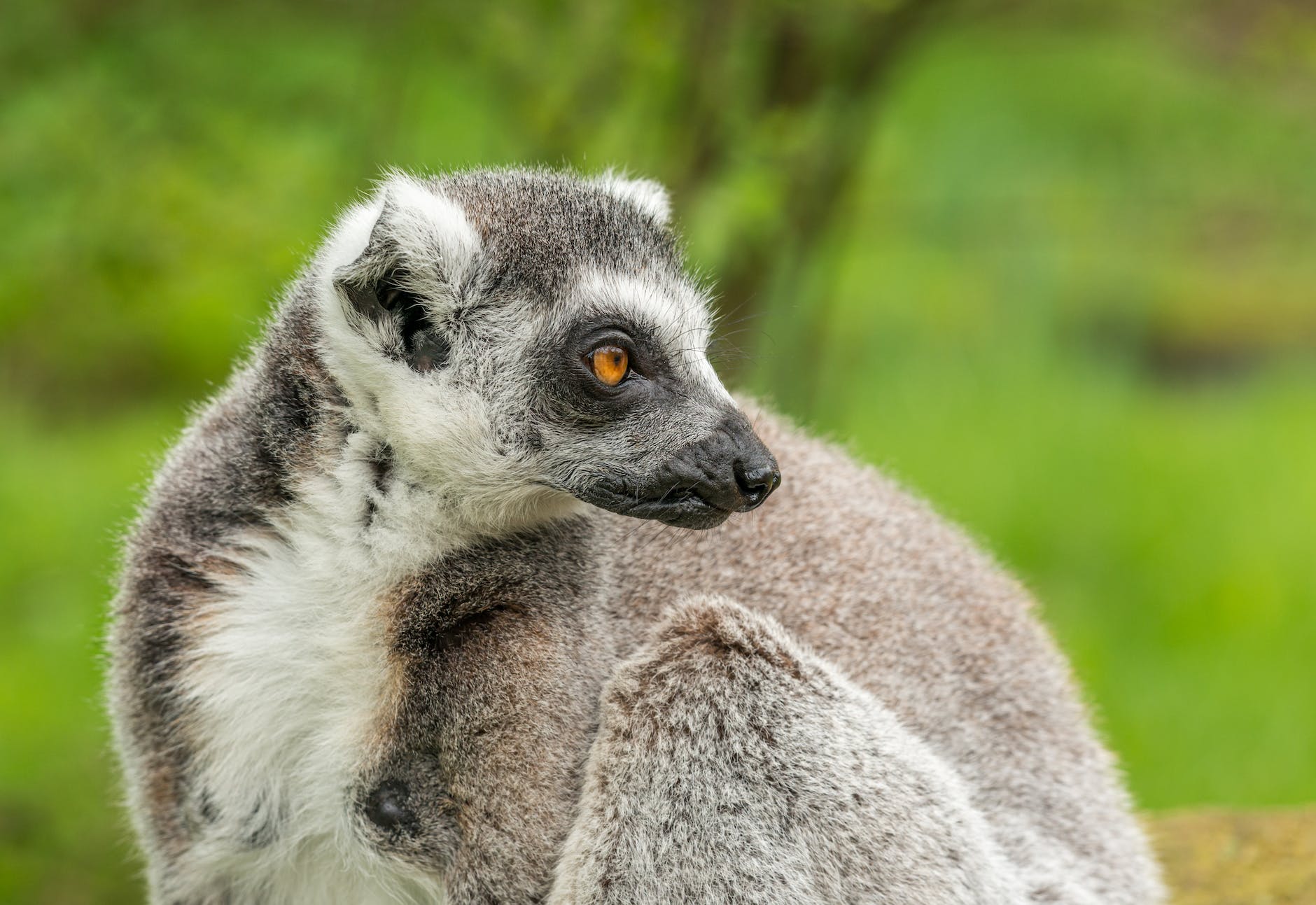
Here is your travel guide for Madagascar.
Welcome to the enchanting island of Madagascar, where unique wildlife, stunning landscapes, and vibrant culture await. This guide will help you uncover the mysteries of this extraordinary destination.
Interesting Facts and Historical Information:
Madagascar is often referred to as the “eighth continent” due to its incredible biodiversity. It’s home to lemurs, baobabs, and a mix of African and Asian cultures.
Popular Tourist Cities:
Major Cities:
- Antananarivo (Tana): The capital city, offering a blend of historic architecture and bustling markets.
- Antsirabe: Known for its thermal springs and charming colonial buildings.
- Nosy Be: A tropical paradise and beach haven in the northwest.
Getting There:
Major Airports:
- Ivato International Airport (Antananarivo): The main international gateway.
- Fascene Airport (Nosy Be): Serves the northwest and popular beach destinations.
Visa Requirements:
Check with the nearest Malagasy embassy or consulate for the most up-to-date visa requirements based on your nationality.
Public Transportation:
Public buses, minibuses (taxi-brousses), and taxis are common modes of transportation in cities and between towns.
Accommodation:
Accommodation Options:
- Hotels: Available in major cities and tourist areas, ranging from budget to luxury.
- Guesthouses and Lodges: Provide a more authentic and locally immersive experience.
Popular Neighborhoods:
- Isoraka (Antananarivo): A bustling area with markets, restaurants, and shops.
Average Cost of Accommodation:
Accommodation costs vary by type and location. Budget options start around $20 per night, while mid-range hotels range from $50 to $100 per night.
Things to Do:
Top Attraction:
- Avenue of the Baobabs: A breathtaking natural avenue lined with ancient baobab trees.
Local Tours:
- Lemur Tours: Embark on guided treks to spot Madagascar’s unique lemurs in their natural habitat.
- Tsingy de Bemaraha: Explore the dramatic limestone formations and diverse wildlife in this UNESCO site.
Shopping Areas:
- Digue Market (Antananarivo): Find local crafts, textiles, and spices in this bustling market.
Outdoor Activities:
- Andasibe-Mantadia National Park: Home to the famous Indri lemur and lush rainforests.
- Whale Watching (Nosy Be): Witness humpback whales during the migration season.
Entertainment Venues:
- Le Glacier (Antananarivo): A popular venue offering live music and dance performances.
Dining and Nightlife:
Popular Local Cuisine:
- Romazava: A traditional dish made with meat, greens, and cassava leaves.
Must-Try Dishes or Restaurants:
- Ravitoto: A dish made from taro leaves, often served with meat or fish.
Budget-Friendly Restaurants:
- Street Food Stalls: Sample local snacks and specialties from vendors.
Upscale Restaurants:
- La Varangue (Antananarivo): Offers a fusion of Malagasy and international cuisine in an elegant setting.
Popular Nightlife Spots:
- Le Jardin du Roy (Antananarivo): A lively bar and club featuring live music and dancing.
Local Culture and Etiquette:
Local Culture, Customs, and Traditions:
Madagascar’s culture is a blend of African and Asian influences, reflected in its music, dance, and traditional ceremonies.
Appropriate Dress Code:
Dress modestly, especially when visiting rural areas or religious sites.
Cultural Norms for Visitors:
Respect local customs and traditions, and ask for permission before taking photos of people.
Tipping Practice:
Tipping is not mandatory but appreciated for good service.
Safety and Health:
Vaccinations:
Check with your healthcare provider for recommended vaccinations before traveling.
Health Concerns:
Malaria is a concern; take necessary precautions and consult a doctor.
US Embassy:
The U.S. Embassy in Antananarivo provides assistance to U.S. citizens in Madagascar.
Useful Information:
Local Currency:
Malagasy Ariary (MGA) is the official currency.
Language Spoken:
Malagasy and French are the official languages, with English spoken in some tourist areas.
Time Zones:
Madagascar operates on Madagascar Time (GMT+3), with no daylight saving time.
Best Time of Year to Visit:
The dry season from April to October is ideal for travel.
Seasonal Festivals:
- Donia Music Festival: Celebrates Malagasy music and culture in Nosy Be.
Contact Information for Local Tourism Offices:
For more information and assistance, visit:
Website: www.madagascar-tourisme.com
Conclusion:
Madagascar’s unparalleled biodiversity, unique culture, and stunning landscapes make it a destination like no other. Whether you’re exploring the rainforests, meeting lemurs, or discovering local traditions, your journey here will be a memorable and enriching experience.
Make sure to do your own research before traveling to any foreign country. It is always a good idea to check for travel advisories from government resources before traveling.
U.S. Department of State – Travel.State.Gov:
- Website: https://travel.state.gov
Centers for Disease Control and Prevention (CDC):
- Website: https://www.cdc.gov/travel
UK Foreign, Commonwealth & Development Office – Travel Advice:
Be safe and enjoy your travels! Leave us a comment or photo of your adventures.
Don’t forget to like, share and comment!

 Home
Home 
Leave a comment