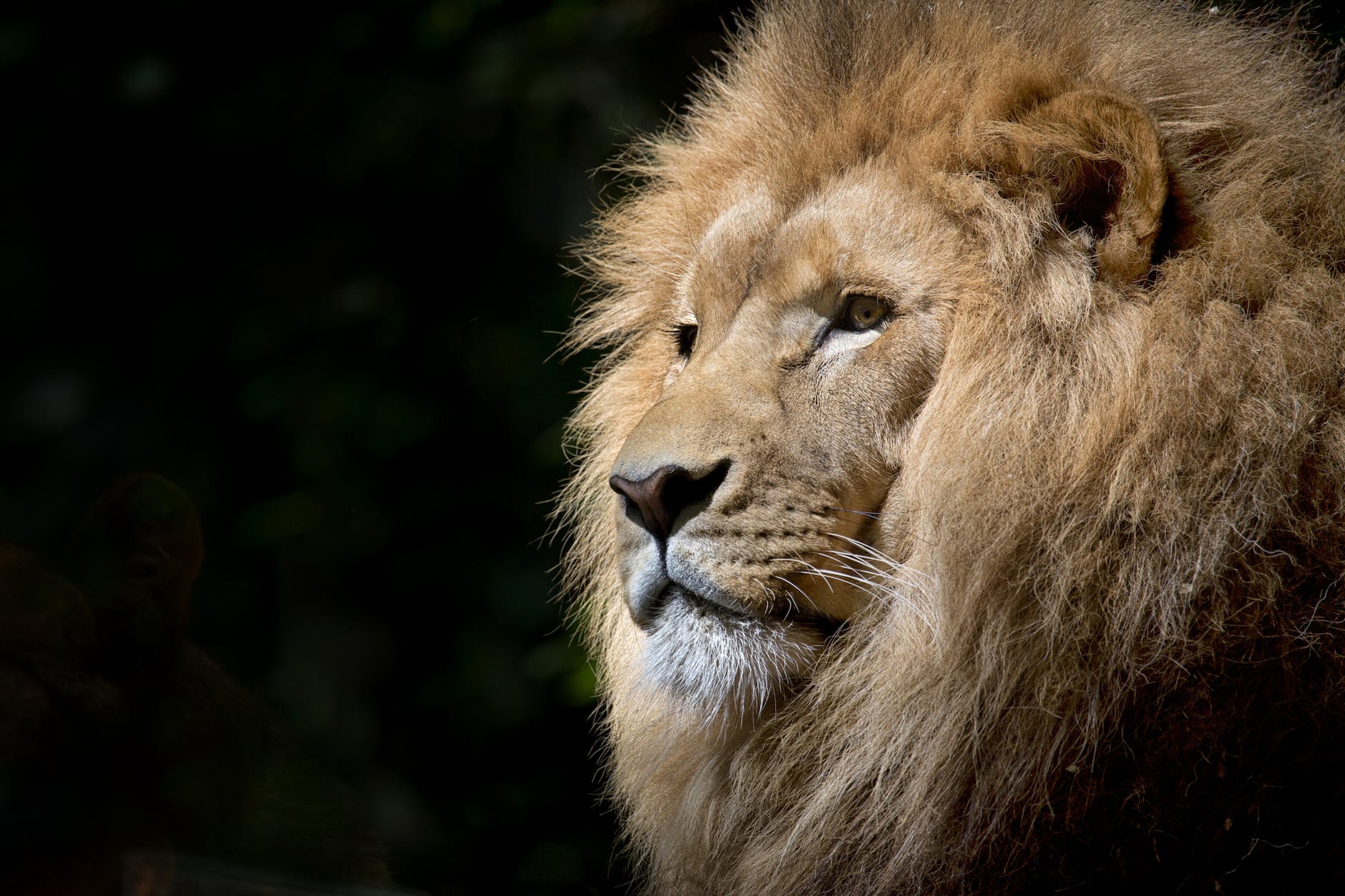
Here is your travel guide for the Central African Republic.
Welcome to the Central African Republic (CAR), a landlocked country located in the heart of Africa. Known for its diverse wildlife, stunning landscapes, and vibrant culture, the CAR offers an off-the-beaten-path adventure for travelers seeking an authentic African experience. From national parks teeming with exotic animals to welcoming local communities, the Central African Republic is a hidden gem waiting to be discovered.
Brief introduction:
The Central African Republic is a country in Central Africa that shares borders with Sudan, South Sudan, the Democratic Republic of the Congo, the Republic of the Congo, Cameroon, and Chad. With a rich history and cultural heritage, it offers a unique blend of traditional and modern influences. The country is home to an array of wildlife, including elephants, gorillas, and hippos, making it a haven for nature enthusiasts.
Popular Tourist Cities
- Bangui: The capital city of the Central African Republic, Bangui, is situated on the banks of the Ubangi River. It boasts a mix of colonial and contemporary architecture, bustling markets, and interesting museums.
Getting There
Major Airports
- Bangui M’Poko International Airport (BGF) is the main international airport, serving as the primary gateway to the country. It receives flights from various African cities and international destinations.
Major Train Stations
- The Central African Republic does not have an extensive train network, and there are no major train stations within the country.
Major Highways
- The RN1 highway connects Bangui with neighboring Cameroon, while the RN4 highway links the capital with the Democratic Republic of the Congo.
Visa Requirements
- Most visitors to the Central African Republic require a visa. It’s recommended to check with the nearest embassy or consulate for the latest information regarding visa requirements.
Public Transportation
- Taxis and motorcycle taxis (known as “motos”) are the primary modes of public transportation within cities. However, it’s important to negotiate fares in advance.
Accommodation
Accommodation options available, including hotels, guesthouses, hostels, and vacation rentals:
- Hotels: Bangui offers a range of hotels, from luxury establishments to budget-friendly options. Some popular choices include Hotel Ledger Plaza Bangui, Hotel Somba, and Hotel du Centre.
- Guesthouses: Guesthouses are available in various cities and towns, providing affordable accommodation and a chance to interact with local hosts.
- Hostels: While hostels are not as prevalent, there are a few options for budget travelers.
- Vacation Rentals: Some vacation rentals and holiday homes can be found in tourist areas, offering more flexibility for longer stays.
Popular Neighborhoods
- In Bangui, some popular neighborhoods include the city center, Pétévo, and Gobongo.
Average Cost of Accommodation
- The average cost of accommodation in the Central African Republic varies depending on the location and type of establishment. Budget travelers can find guesthouses or hostels starting from around $15-30 per night, while mid-range hotels range from $50-100 per night.
Things to Do
Top Attractions
- Dzanga-Sangha Special Reserve: Located in the southwest of the country, this reserve is renowned for its diverse wildlife, including forest elephants, western lowland gorillas, and bongo antelopes.
- Manovo-Gounda St. Floris National Park: This UNESCO World Heritage Site is one of Africa’s largest and most untouched wilderness areas, home to a variety of wildlife, including lions, elephants, and cheetahs.
- Boali Falls: Situated near the town of Boali, these impressive waterfalls on the Mbali River are a popular natural attraction and offer scenic views.
- Bangui: Explore the vibrant capital city with its bustling markets, colonial architecture, and cultural landmarks like the Bangui Cathedral and Boganda Museum.
Local Tours
Local tour operators offer guided tours to national parks, cultural sites, and natural attractions. They provide valuable insights and ensure a safe and informative experience.
Shopping Areas
In Bangui, popular shopping areas include the Central Market, where you can find local handicrafts, jewelry, and textiles. The Boganda Market is also worth a visit for a variety of goods.
Outdoor Activities
Outdoor enthusiasts can enjoy activities such as hiking, wildlife spotting, birdwatching, and river cruises in the national parks and reserves.
Entertainment Venues
While nightlife options are limited, there are some bars and clubs in Bangui that offer live music and cultural performances. The Place de la Révolution is a popular gathering spot for locals and visitors alike.
Dining and Nightlife
Popular Local Cuisines
Central African cuisine features a blend of local ingredients, flavors, and cooking techniques. Must-try dishes include fufu (a starchy staple made from cassava or plantains), maboké (grilled meat or fish), and ndolé (a dish made with bitter leaf greens and meat or fish).
Budget-Friendly Restaurants
In Bangui, you can find affordable restaurants and local eateries serving traditional Central African dishes. Examples include Le Chariot and Le Bouchon du Chef.
Upscale Restaurants
Some upscale dining options in Bangui offer a fusion of local and international cuisines. La Cour du Louvre and Le Mirage are popular choices for an elevated dining experience.
Popular Nightlife Spots
In Bangui, you can find a few bars and clubs where you can enjoy drinks, music, and socializing. Le New Congo and Le Club 2000 are among the well-known venues.
Local Culture and Etiquette
Local Culture, Customs, and Traditions
The Central African Republic is home to diverse ethnic groups, each with its own customs and traditions. Respect for elders and greetings are highly valued in the local culture. Traditional music and dance are important aspects of the country’s heritage.
Appropriate Dress Code
Dress modestly, especially when visiting religious or cultural sites. Light and loose-fitting clothing made from natural fabrics are suitable for the country’s tropical climate.
Cultural Norms for Visitors
Visitors are encouraged to greet people with a handshake and show respect for local customs. Learning a few basic phrases in the local language, Sango, is appreciated.
Tipping Practice
Tipping is not widely practiced in the Central African Republic. However, in more upscale establishments, a small tip may be appreciated for excellent service.
Safety and Health
Vaccinations
It’s recommended to be up-to-date on routine vaccinations before traveling to the Central African Republic. Consult a healthcare professional for the latest information on required and recommended vaccinations.
Health Concerns
Malaria is prevalent in the country, so taking anti-malarial medication and using mosquito repellent are essential. It’s also advisable to drink bottled water and follow proper hygiene practices.
US Embassy
U.S. Embassy Bangui is located in Bangui, and their contact information can be obtained from the U.S. Department of State’s website.
Useful Information
Local Currency
The currency of the Central African Republic is the Central African CFA franc (XAF).
Language Spoken
The official languages are French and Sango, a local language widely spoken throughout the country.
Time Zones
The Central African Republic operates on West Africa Time (WAT), which is UTC+1.
Best Time of Year to Visit
The dry season, from November to February,offers the most comfortable weather for travel in the Central African Republic. During this time, wildlife is more easily spotted, and outdoor activities are more enjoyable.
Seasonal Festivals
The Central African Republic celebrates various festivals throughout the year, showcasing the country’s cultural diversity. The National Day on December 1st is a significant event, commemorating the country’s independence.
Contact Information for Local Tourism Offices or Reliable Resources
For more information, you can contact the Central African Republic’s Ministry of Tourism or visit their official website. Additionally, the local tourism offices in Bangui can provide assistance and information for travelers.
Conclusion
Make sure to do your own research before traveling to any foreign country. It is always a good idea to check for travel advisories from government resources before traveling.
U.S. Department of State – Travel.State.Gov:
- Website: https://travel.state.gov
Centers for Disease Control and Prevention (CDC):
- Website: https://www.cdc.gov/travel
UK Foreign, Commonwealth & Development Office – Travel Advice:
Be safe and enjoy your travels! Leave us a comment or photo of your adventures.

 Home
Home 
Leave a comment