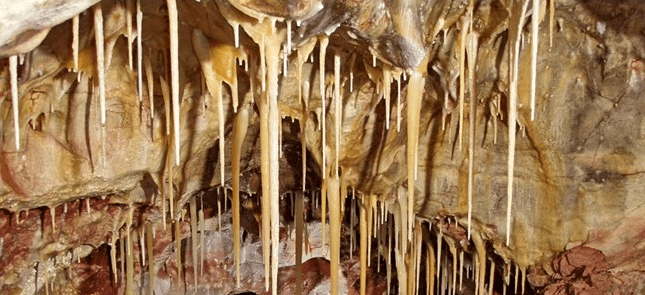
Wind Cave National Park, located in the Black Hills of South Dakota, is a unique and fascinating destination known for its underground cave system, diverse wildlife, and beautiful prairie landscapes. Here’s a travel guide to help you plan your visit to this remarkable national park:
1. When to Visit:
- The best time to visit Wind Cave National Park is during the late spring to early fall (May to September) when the weather is mild and most park facilities and trails are open.
- The cave is open year-round, but some surface activities may be limited during the winter months.
2. Getting There:
- The park is located approximately 10 miles south of Hot Springs, South Dakota. Rapid City Regional Airport is the nearest major airport, about an hour’s drive away.
3. Entrance Fees:
- There are entrance fees to access the park, which help support its maintenance and conservation efforts. Check the National Park Service website for the latest fee information.
4. Visitor Center:
- Start your visit at the Wind Cave Visitor Center, where you can obtain park maps, information on cave tours, and exhibits about the park’s natural and cultural history.
5. Cave Tours:
- Wind Cave is famous for its unique boxwork formations, one of the largest in the world. Take a guided cave tour to explore this underground wonder. Tours vary in difficulty and length, so choose one that suits your preferences.
6. Hiking:
- The park offers several hiking trails, ranging from easy walks to more challenging hikes. The Rankin Ridge Nature Trail offers panoramic views of the Black Hills, while the Highland Creek Trail provides a peaceful trek through the prairie.
7. Wildlife Viewing:
- Wind Cave National Park is home to a variety of wildlife, including bison, pronghorn, elk, coyotes, and numerous bird species. Bison are often seen on the park’s prairies.
8. Photography:
- Capture the park’s diverse landscapes, including the prairie, forests, and cave formations, with your camera. The lighting inside the cave can be challenging for photography, so bring appropriate equipment.
9. Ranger Programs:
- Join ranger-led programs, including cave talks, guided hikes, and evening programs, to learn more about the park’s geology, wildlife, and history. Check the park’s schedule for program times and locations.
10. Safety Precautions:
- Be prepared for changing weather conditions, especially if you’re hiking. Dress in layers and carry essentials like water, snacks, and sun protection.
- Respect the cave’s fragile environment during your tour, as touching formations can damage them.
11. Camping:
- The park offers two campgrounds: Elk Mountain Campground and the Wind Cave National Park Campground. Reservations are recommended, especially during the summer season.
12. Leave No Trace:
- Help protect the park’s natural and cultural resources by following Leave No Trace principles. Pack out all trash, stay on designated trails, and avoid disturbing wildlife.
13. Nearby Attractions:
- Explore nearby attractions, such as the nearby town of Hot Springs, Jewel Cave National Monument, and Custer State Park.
Visiting Wind Cave National Park offers a chance to explore a unique underground world, witness diverse wildlife, and appreciate the beauty of the Black Hills. Whether you’re descending into the cave’s depths, hiking through the prairie, or observing bison on the rolling grasslands, Wind Cave National Park provides an enriching and memorable experience for nature enthusiasts and cave explorers alike.

 Harness Money
Leave a comment