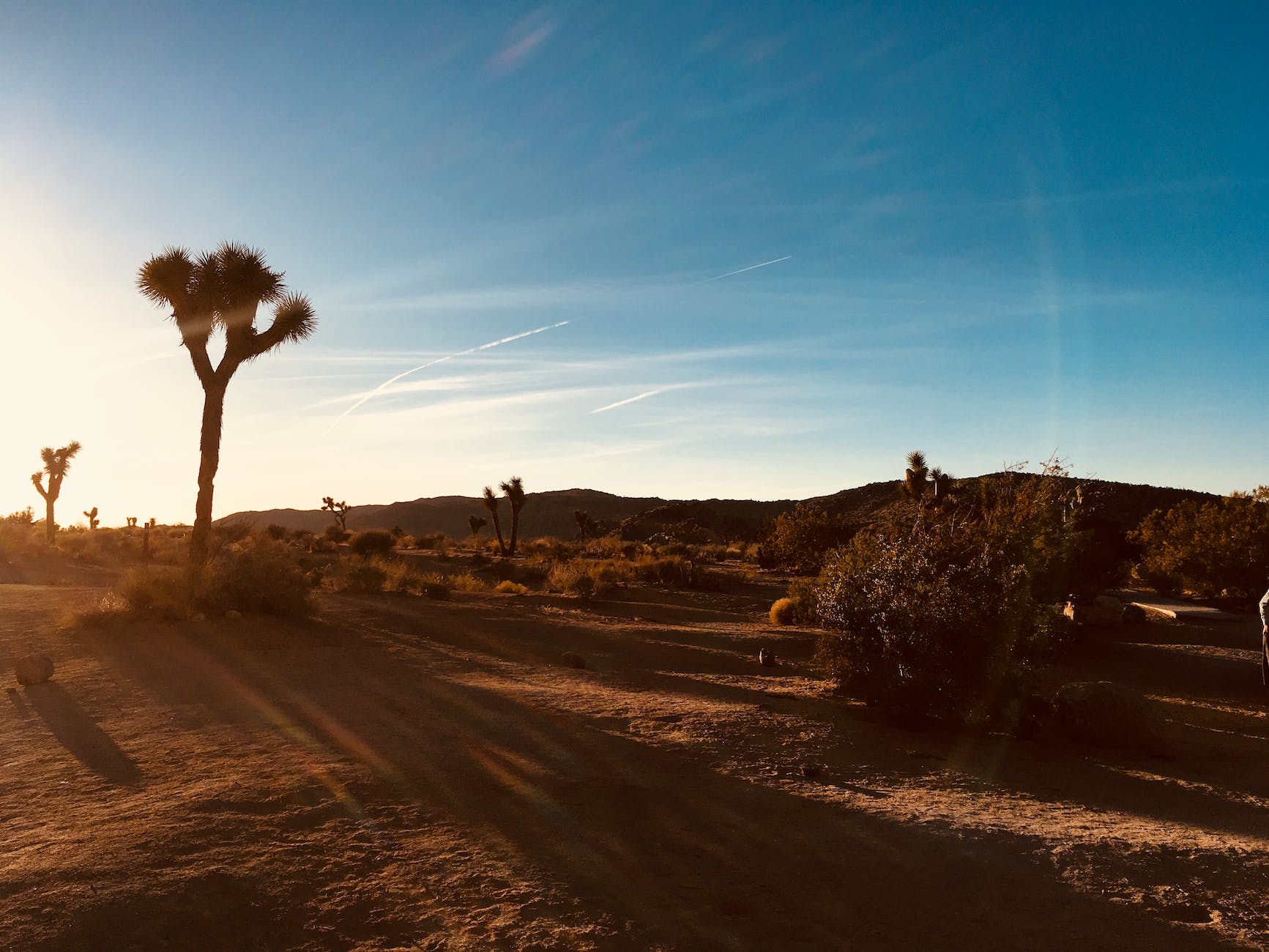
Joshua Tree National Park, located in Southern California, is a stunning desert destination known for its unique landscapes, rugged rock formations, and iconic Joshua Trees. Here’s a travel guide to help you make the most of your visit to this incredible national park:
1. When to Visit:
- The best time to visit Joshua Tree is during the fall and spring when the weather is pleasant and temperatures are moderate. Avoid visiting during the scorching summer months and be prepared for chilly nights in the winter.
2. Entrance Fees:
- There is an entrance fee to access Joshua Tree National Park, which helps support the park’s maintenance and conservation efforts. Check the National Park Service website for the latest fee information.
3. Camping:
- Joshua Tree offers various campgrounds, but they can fill up quickly, especially during peak seasons. Consider making reservations in advance or arrive early to secure a campsite. Options range from developed campgrounds to backcountry camping.
4. Hiking:
- Explore the park’s unique trails, ranging from easy walks to strenuous hikes. Popular trails include Hidden Valley, Barker Dam, and Ryan Mountain.
- Be sure to carry plenty of water, wear sunscreen, and dress appropriately for the desert conditions.
5. Rock Climbing:
- Joshua Tree is a world-renowned rock climbing destination. If you’re an experienced climber, bring your gear, but make sure to follow park regulations and practice Leave No Trace principles.
6. Stargazing:
- The park is a designated International Dark Sky Park, making it an ideal spot for stargazing. Bring binoculars or a telescope for a closer look at the night sky.
7. Scenic Drives:
- Take a scenic drive through the park to see some of its unique rock formations and landscapes. The Joshua Tree Scenic Drive offers breathtaking views.
8. Photography:
- Joshua Tree’s distinctive landscapes provide ample opportunities for photography. Sunrise and sunset are particularly photogenic times to capture the park’s beauty.
9. Flora and Fauna:
- Keep an eye out for the iconic Joshua Trees, as well as other desert flora like cacti and wildflowers (in spring).
- Wildlife in the park includes bighorn sheep, desert tortoises, and a variety of bird species.
10. Safety Precautions:
- The desert can be harsh, so make safety a priority. Carry plenty of water, stay on designated trails, and be aware of your surroundings.
- Cell phone reception can be limited in some areas of the park, so plan accordingly.
11. Leave No Trace:
- Respect the fragile desert environment by following Leave No Trace principles. Pack out all trash, stay on established trails, and avoid disturbing wildlife.
12. Nearby Attractions:
- Consider exploring nearby attractions like the Joshua Tree Music Festival or the quaint town of Joshua Tree, which offers art galleries, shops, and restaurants.
Remember that Joshua Tree National Park is a protected wilderness, so it’s essential to preserve its natural beauty and cultural resources for future generations. Enjoy your visit to this captivating desert landscape!

 Harness Money
Leave a comment