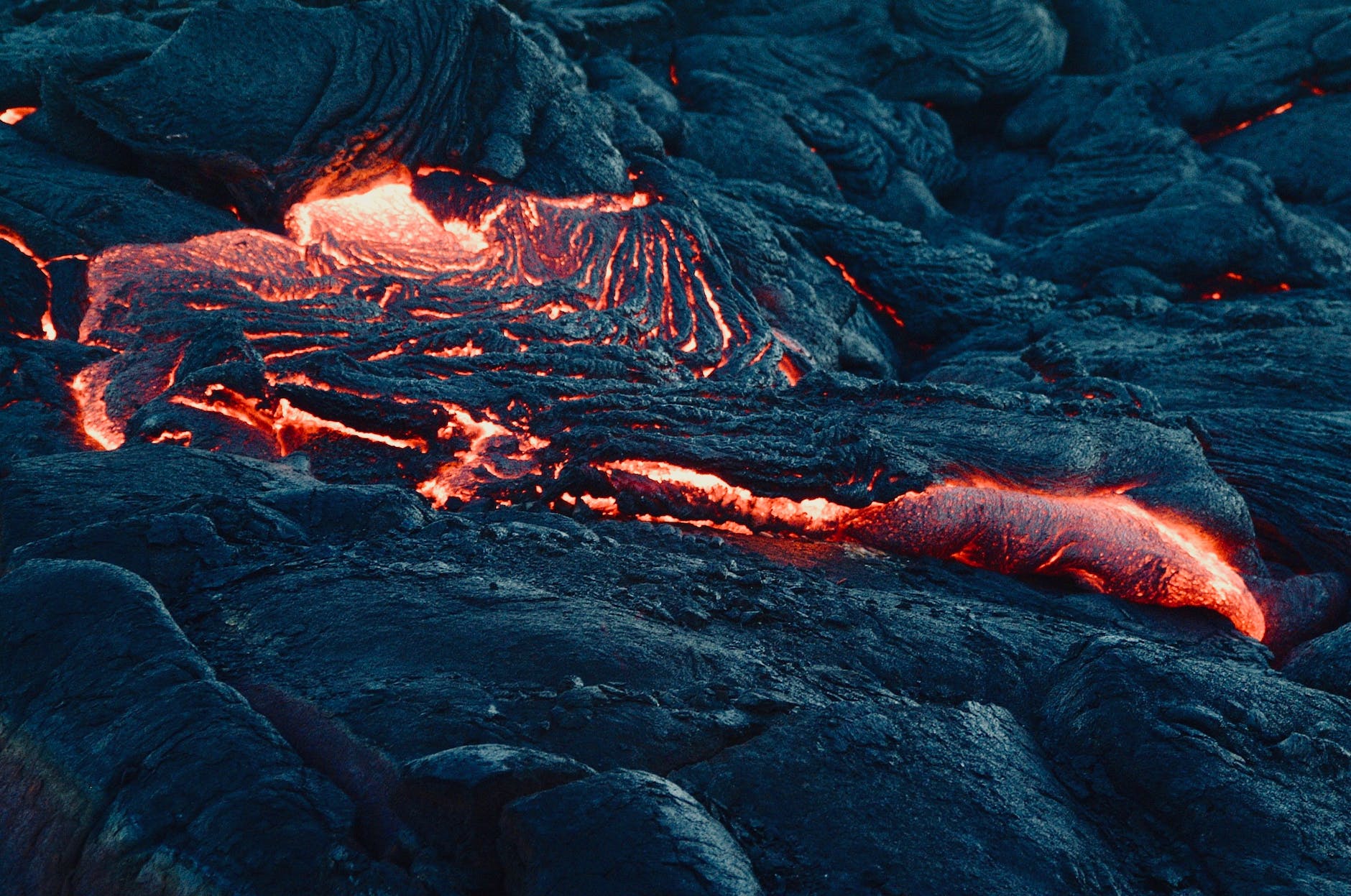
Here is your travel guide for Hawai’i Volcanoes National Park.
Location:
- Hawai’i Volcanoes National Park is located on the Big Island of Hawaii, in the United States.
Best Time to Visit:
- The park can be visited year-round, but the best time to visit is during the dry season, which typically runs from May to September.
- Sunrise and sunset visits to the summit of Kīlauea are especially popular, but stargazing tours are also recommended.
- Be prepared for variable weather conditions and cooler temperatures at higher elevations.
Getting There:
- The nearest major airport is Hilo International Airport (ITO) on the Big Island.
- Access to the park is primarily by car via Hawaii Belt Road (Route 11).
Accommodation:
- Hawai’i Volcanoes National Park offers camping at Nāmakanipaio Campground and the more remote Kulanaokuaiki Campground. Reservations are recommended.
- There are no lodges within the park, but lodging options can be found in nearby towns like Volcano Village and Hilo.
Must-See Attractions:
- Kīlauea Caldera: Explore the massive caldera, home to the active Kīlauea and Mauna Ulu volcanoes. The Jaggar Museum provides information on volcanic activity.
- Halema’uma’u Crater: Witness the fiery glow of Halema’uma’u Crater’s lava lake, especially at night.
- Chain of Craters Road: Drive or bike this scenic road with views of volcanic landscapes, sea arches, and petroglyphs.
- Thurston Lava Tube: Walk through this naturally-formed lava tube, which is illuminated for easy exploration.
- Nāhuku (Thurston Lava Tube) and Pu’uloa Petroglyphs: Explore these volcanic features, including ancient petroglyphs etched into the lava.
Activities:
- Hiking: Hawai’i Volcanoes National Park offers a variety of hiking trails, including the Kīlauea Iki Trail and the Pu’u Loa Petroglyphs Trail.
- Stargazing: Join a stargazing tour to experience the park’s clear and dark skies.
- Cultural Programs: Attend ranger-led cultural programs and learn about Hawaiian traditions and history.
- Birdwatching: Look for native bird species, including the nēnē (Hawaiian goose).
- Biking: Rent a bike and explore the park’s scenic roads, including Chain of Craters Road.
Safety Tips:
- Be prepared for changing weather conditions, including volcanic emissions, fog, and rain.
- Stay on marked trails and follow park regulations to protect the fragile environment.
- Respect wildlife, including the endangered nēnē.
Note: Hawai’i Volcanoes National Park is known for its active volcanoes, rugged landscapes, and rich cultural heritage. Whether you’re there to witness volcanic activity, explore the hiking trails, or learn about Hawaiian culture, the park offers a unique and educational experience.
Before planning your visit, check the National Park Service website for the latest information on park hours, volcanic activity, road conditions, and trail closures in Hawai’i Volcanoes National Park. Enjoy your exploration of this remarkable natural wonder!

 Harness Money
Leave a comment