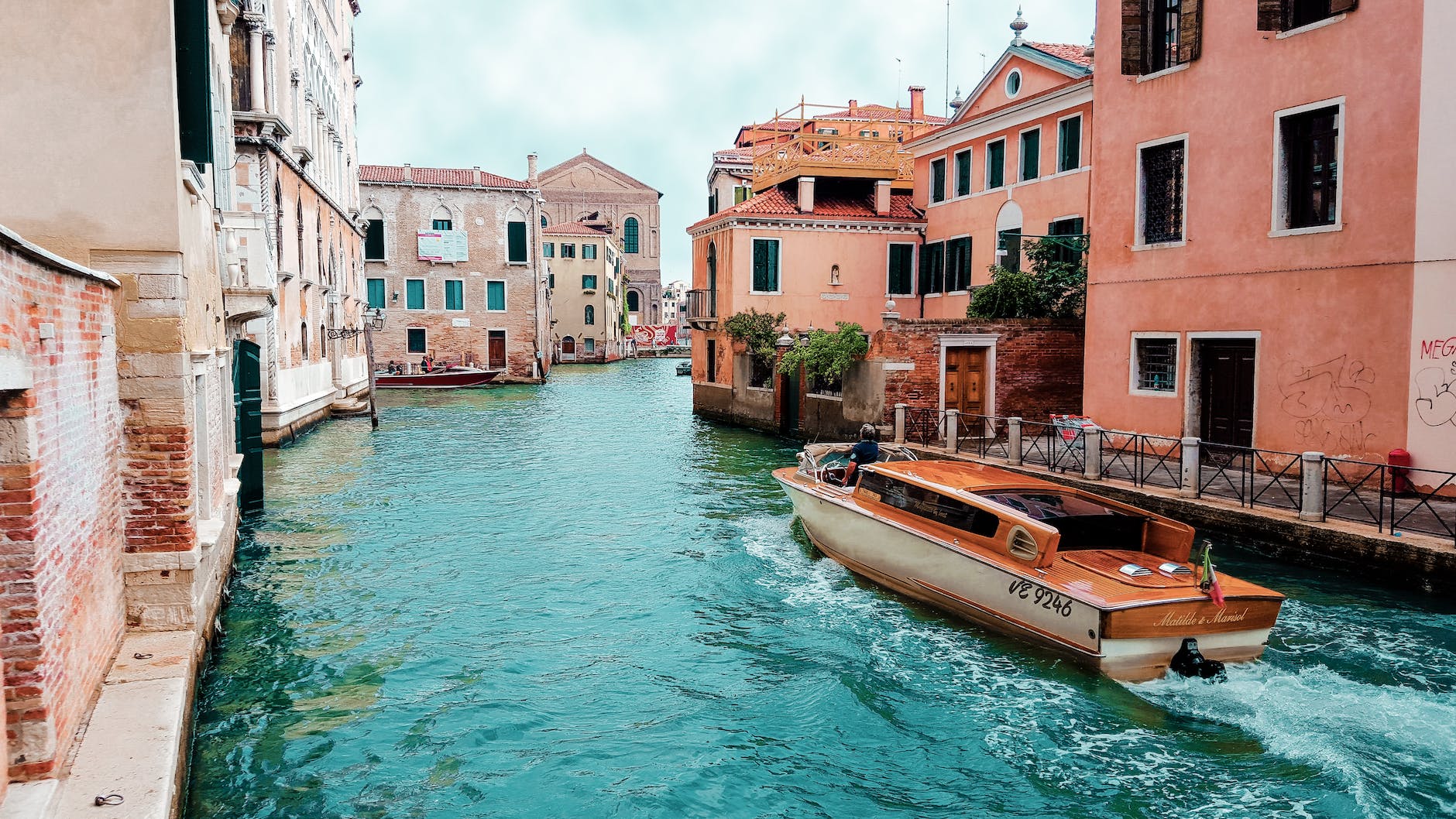
Here is your travel guide for Italy.
Italy, a country in Southern Europe, is renowned for its rich history, stunning landscapes, delicious cuisine, and vibrant culture. From ancient ruins to picturesque coastal towns and world-class art cities, Italy offers a diverse range of experiences for travelers. In this travel guide, we will provide you with essential information to help you plan your visit to this captivating country.
Interesting Facts and Historical Information: Italy is home to the Vatican City, the smallest internationally recognized independent state in the world and the spiritual center of the Roman Catholic Church. The country is also renowned for its iconic landmarks such as the Colosseum, the Leaning Tower of Pisa, and the ancient city of Pompeii, preserved by the eruption of Mount Vesuvius in 79 AD.
Popular Tourist Cities
Italy is filled with remarkable cities, each offering unique attractions. Some of the major cities to explore include:
- Rome: The capital city known for its ancient ruins, including the Roman Forum and the iconic Colosseum.
- Florence: A city renowned for its Renaissance art and architecture, with highlights such as the Uffizi Gallery and the Duomo.
- Venice: Famous for its canals, gondolas, and beautiful architecture, including the iconic St. Mark’s Square and the Doge’s Palace.
- Milan: A global fashion and design capital, home to stunning landmarks like the Milan Cathedral and world-class shopping districts.
- Naples: The gateway to Pompeii and the Amalfi Coast, offering vibrant street life, historic sites, and incredible pizza.
Getting There
Italy is well-connected by air, train, and road. Major airports in Italy include:
- Leonardo da Vinci International Airport (Fiumicino) in Rome
- Milan Malpensa Airport in Milan
- Venice Marco Polo Airport in Venice
- Naples International Airport in Naples
- Florence Airport in Florence
Italy has an extensive rail network, and major cities are accessible by train. High-speed trains, such as the Frecciarossa, connect major cities quickly and comfortably. The country also has an extensive network of highways, allowing for convenient road travel.
Visa Requirements
Visa requirements vary depending on your nationality. Citizens of the European Union and many other countries do not need a visa for stays of up to 90 days. However, it is important to check the specific visa requirements based on your nationality before traveling to Italy.
Public Transportation
Italy has an efficient and well-connected public transportation system. Cities offer buses, trams, and metro systems for local transportation. Trains are a popular mode of travel between cities, offering comfort and scenic views. Taxis and ride-sharing services are also available in urban areas.
Accommodation
Italy provides a wide range of accommodation options to suit various budgets and preferences. Choices include luxury hotels, boutique guesthouses, budget-friendly hostels, and vacation rentals such as apartments and villas. Popular neighborhoods for accommodation vary depending on the city, with areas like Trastevere in Rome, Santa Croce in Florence, and San Marco in Venice being noteworthy.
Average Cost of Accommodation
The cost of accommodation in Italy varies depending on the location, type of accommodation, and the season of travel. On average, a mid-range hotel room can cost between €80 to €150 per night, while budget-friendly options like hostels can range from €20 to €50 per night. Vacation rentals offer flexibility and can be a cost-effective choice for longer stays.
Things to Do
Italy is brimming with attractions and activities for all interests. Some top attractions to include in your itinerary are:
- The Colosseum and Roman Forum in Rome.
- The Uffizi Gallery and Ponte Vecchio in Florence.
- St. Mark’s Basilica and a gondola ride in Venice.
- The Last Supper and the Milan Cathedral in Milan.
- The Amalfi Coast and Pompeii near Naples.
Local tours, both guided and self-guided, are available to explore the historical sites, art collections, and picturesque regions of Italy. Shopping enthusiasts will enjoy the fashion districts of Milan, while outdoor enthusiasts can explore the hiking trails in the Cinque Terre or go skiing in the Italian Alps.
Shopping Areas
Italy is renowned for its fashion and craftsmanship. Cities like Milan, Florence, and Rome offer renowned shopping districts, designer boutiques, and local artisanal products. Famous shopping streets include Via Montenapoleone in Milan, Via dei Condotti in Rome, and Via Tornabuoni in Florence.
Outdoor Activities
Italy’s diverse landscapes provide ample opportunities for outdoor activities. From hiking in the Dolomites to swimming along the Amalfi Coast, there is something for everyone. Explore the picturesque lakes of Como and Garda, go cycling in Tuscany, or enjoy water sports along the coastlines.
Entertainment Venues
Italy offers a vibrant entertainment scene. Major cities have theaters, opera houses, and music venues hosting a variety of performances. The Teatro alla Scala in Milan and the Teatro di San Carlo in Naples are renowned for their opera performances. Open-air concerts and festivals are also popular during the summer months.
Dining and Nightlife
Italian cuisine is celebrated worldwide, and experiencing authentic Italian dishes is a highlight of any visit. Must-try dishes include pizza in Naples, pasta in Bologna, gelato throughout the country, and regional specialties like risotto in Milan and seafood along the coast. Italy boasts a diverse dining scene, catering to all budgets, from budget-friendly trattorias to Michelin-starred restaurants.
Budget-Friendly Restaurants
For budget-friendly dining options, look for local trattorias, pizzerias, and street food vendors. These establishments offer delicious meals at more affordable prices. It’s worth exploring smaller towns and neighborhoods away from tourist hotspots for authentic, budget-friendly dining experiences.
Upscale Restaurants
Italy is home to numerous upscale restaurants renowned for their culinary excellence. Michelin-starred restaurants like Osteria Francescana in Modena and Le Calandre in Padua offer unforgettable gastronomic experiences. Reservations are often required for these establishments.
Popular Nightlife Spots
Italian cities come alive at night, offering a vibrant nightlife scene. Milan and Rome are known for their bustling clubs and bars, while Florence and Venice offer charming wine bars and live music venues. The island of Capri and the Amalfi Coast are also known for their upscale beach clubs and trendy nightlife scenes.
Local Culture and Etiquette
Italy has a rich cultural heritage, and locals take pride in their customs and traditions. Some important aspects of Italian culture and etiquette include:
- Italians value personal relationships and often greet with a warm handshake or a kiss on both cheeks, especially when meeting friends and acquaintances.
- Dressing elegantly and fashionably is important in Italy, especially when visiting religious sites or upscale establishments.
- It is customary to say “please” (per favore) and “thank you” (grazie) when interacting with locals. Learning a few basic Italian phrases will be appreciated.
- Italians typically dine later in the evening, with dinner service starting around 8 pm. Reservations are recommended, especially at popular restaurants.
Tipping Practice
Tipping in Italy is not as prevalent as in some other countries. A service charge is often included in the bill at restaurants, but leaving a small additional tip is appreciated. Rounding up the bill or leaving 5-10% of the total amount is customary for good service. Tipping hotel staff and taxi drivers is also common, but not obligatory.
Safety and Health
Italy is generally a safe country for travelers. However, it is advisable to take standard precautions, such as being mindful of your belongings and avoiding isolated or poorly lit areas, particularly at night. Italy has a well-developed healthcare system, and travel insurance is recommended to cover any medical emergencies during your trip.
Vaccinations
Before traveling to Italy, ensure that your routine vaccinations are up to date. It is also advisable to check the Centers for Disease Control and Prevention (CDC) or consult with a healthcare professional regarding any specific vaccinations recommended for your trip.
Health Concerns
Italy has high-quality healthcare facilities, and tap water is generally safe to drink. It is advisable to have travel insurance that covers medical expenses, including emergency medical evacuation if needed. Carry any necessary prescription medications and take precautions against mosquito bites, particularly in rural areas during warmer months.
US Embassy
The United States Embassy in Italy is located in Rome. It provides consular services and assistance to U.S. citizens visiting or residing in Italy. Contact information for the U.S. Embassy in Italy can be found on the official website of the U.S. Department of State.
Useful Information
- Local Currency: Euro (€)
- Language Spoken: Italian
- Time Zones: Italy follows Central European Time (CET) in the winter and Central European Summer Time (CEST) during daylight saving time.
Best Time of Year to Visit
Italy is a year-round destination, but the best time to visit depends on your preferences and the regions you plan to explore. Spring (April to June) and fall (September to October) offer pleasant weather, fewer crowds, and lower accommodation rates. Summers (July and August) can be hot and crowded, especially in tourist hotspots, while winter (December to February) is ideal for skiing in the Alps and visiting fewer crowded cities.
Seasonal Festivals
Italy is known for its vibrant festivals and celebrations. Some notable events include the Venice Carnival in February, the Siena Palio horse race in July and August, and the Venice Film Festival in September. Each region also has its own local festivals and celebrations, providing unique cultural experiences throughout the year.
Contact Information for Local Tourism Offices or Reliable Resources
For more detailed and up-to-date information, it is recommended to contact the local tourism offices or refer to reliable resources such as:
- Official website of the Italian National Tourist Board: www.italia.it
- Local tourism offices in specific cities or regions you plan to visit.
Conclusion
Italy, with its rich history, diverse landscapes, and exquisite cuisine, offers an abundance of experiences for travelers. From exploring ancient ruins to indulging in culinary delights and immersing yourself in the local culture, Italy is sure to captivate and leave lasting memories. By following this travel guide and planning your trip wisely, you can make the most of your visit to this beautiful country.
Make sure to do your own research before traveling to any foreign country. It is always a good idea to check for travel advisories from government resources before traveling.
U.S. Department of State – Travel.State.Gov:
- Website: https://travel.state.gov
Centers for Disease Control and Prevention (CDC):
- Website: https://www.cdc.gov/travel
UK Foreign, Commonwealth & Development Office – Travel Advice:
Be safe and enjoy your travels! Leave us a comment or photo of your adventures.
Don’t forget to like, share and comment!

 Harness Money
Leave a comment