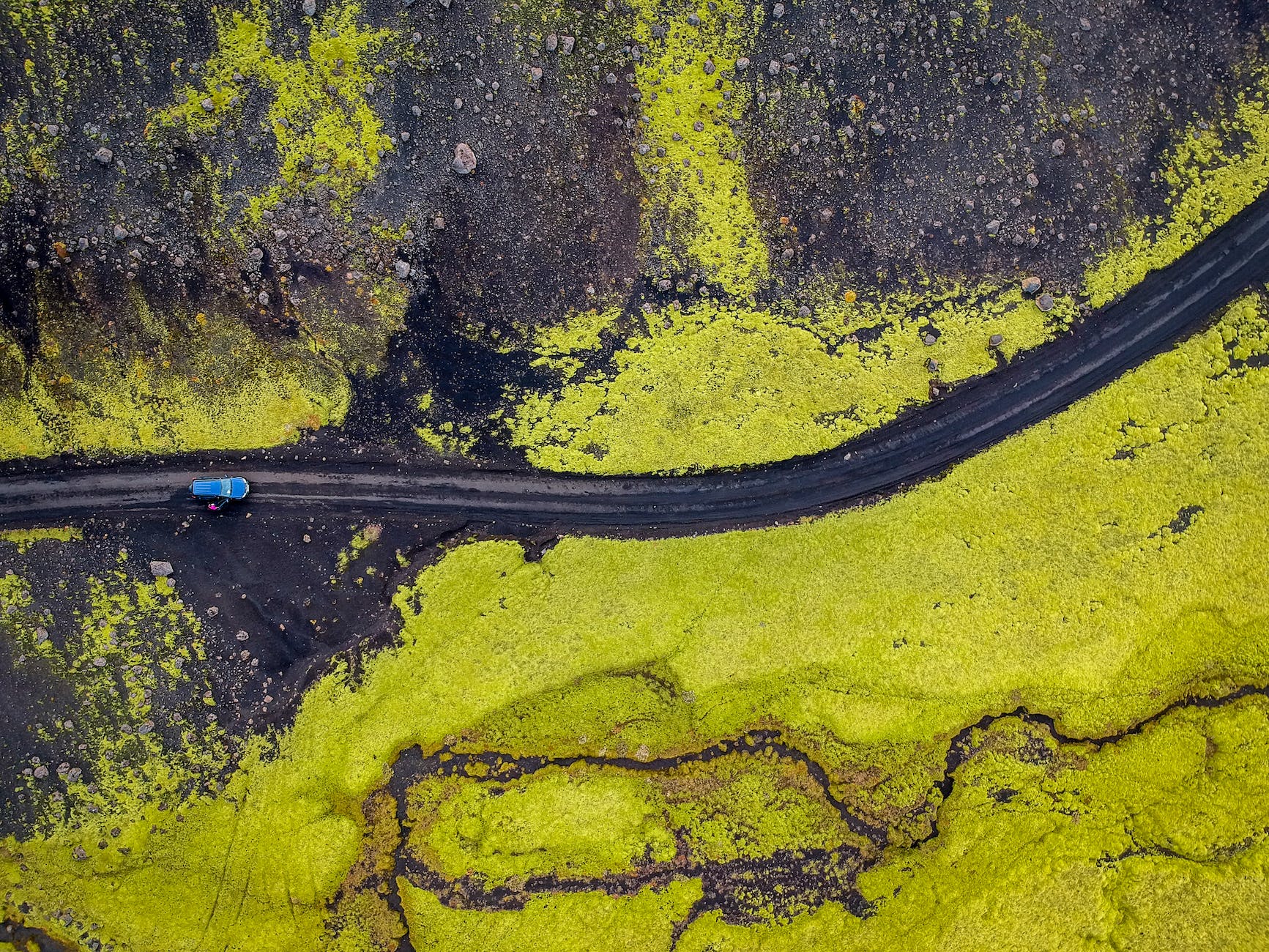
Here is your travel guide for Iceland.
Iceland, a land of breathtaking landscapes and natural wonders, offers a unique travel experience. This travel guide will provide you with essential information to explore the popular tourist cities, immerse yourself in Iceland’s rich culture, and enjoy the country’s stunning natural beauty.
Interesting Facts and Historical Information
Iceland is known for its volcanic activity, glaciers, and geothermal energy. It is home to stunning waterfalls, geysers, and hot springs. The country has a rich Viking history and has preserved its cultural heritage through traditional sagas, art, and literature.
Popular Tourist Cities
Iceland has several notable cities and towns that serve as popular tourist destinations. Some major cities to explore include:
- Reykjavik: The capital city and cultural hub, known for its vibrant arts scene, colorful houses, and lively nightlife.
- Akureyri: The second-largest city, located in the north of Iceland, offering stunning landscapes, museums, and outdoor activities.
- Vik: A small town along the southern coast, famous for its black sand beaches and dramatic cliffs.
Getting There
Major Airports
- Keflavik International Airport (KEF) is Iceland’s primary international gateway, located near Reykjavik. It serves as the main entry point for most travelers visiting the country.
Major Train Stations
Iceland does not have a train network, so train travel within the country is not available.
Major Highways
Iceland has a well-developed road network, and driving is a popular way to explore the country. The Ring Road (Route 1) is the main highway that encircles the island and connects major towns and attractions.
Visa Requirements
Visa requirements for Iceland vary depending on your nationality. Visitors from the Schengen Area countries do not require a visa for short-term stays. Non-Schengen Area visitors should check the specific visa requirements for their country of residence.
Public Transportation
Public transportation options in Iceland include buses and domestic flights. Buses are available to travel between cities and towns, but schedules may be limited in remote areas. Domestic flights are convenient for reaching more isolated regions.
Accommodation
Iceland offers various accommodation options to suit different preferences and budgets. Choices include hotels, guesthouses, hostels, and vacation rentals. Camping is also popular for those looking to explore the country’s natural beauty.
Popular Neighborhoods
In Reykjavik, popular neighborhoods include the city center (Miðborg), known for its vibrant atmosphere, and the trendy district of 101 Reykjavik. Each region and town in Iceland has its unique charm and attractions.
Average Cost of Accommodation
The cost of accommodation in Iceland can vary depending on the location, type of accommodation, and the season of travel. On average, budget-friendly options like guesthouses and hostels can range from ISK 8,000 to ISK 15,000 per night. Mid-range hotels typically range from ISK 15,000 to ISK 30,000 per night. Luxury hotels can range from ISK 30,000 upwards.
Things to Do
Top Attraction
The Golden Circle is a popular tourist route that includes attractions like the geothermal area of Geysir, the stunning Gullfoss waterfall, and Thingvellir National Park, a UNESCO World Heritage site.
Local Tours
Iceland offers a wide range of local tours to explore its natural wonders. These include glacier hikes, ice cave tours, whale watching excursions, and northern lights tours. It is advisable to book tours in advance, especially during the peak travel seasons.
Shopping Areas
Reykjavik’s Laugavegur Street is a popular shopping area, lined with boutiques, souvenir shops, and designer stores. Other cities like Akureyri and Vik also offer shopping opportunities, albeit on a smaller scale.
Outdoor Activities
Iceland’s natural beauty lends itself to numerous outdoor activities. Hiking, glacier walks, horseback riding, and exploring ice caves are popular choices. The country also offers opportunities for birdwatching, fishing, and geothermal bathing in natural hot springs.
Entertainment Venues
Reykjavik has a vibrant arts and music scene, with numerous theaters, concert halls, and live music venues. Harpa Concert Hall is a major landmark known for its stunning architecture and performances.
Dining and Nightlife
Icelandic cuisine combines traditional dishes with modern twists. Must-try dishes include fresh seafood, lamb, and traditional Icelandic dairy products. Reykjavik offers a range of dining options, from budget-friendly cafes to upscale restaurants specializing in local cuisine.
Budget-Friendly Restaurants
For budget-friendly dining, explore local cafes, bakeries, and food trucks that offer delicious meals at reasonable prices. Sample Icelandic street food like hot dogs and fish and chips.
Upscale Restaurants
Upscale dining options in Iceland showcase the country’s culinary creativity, focusing on locally sourced ingredients and innovative techniques. These restaurants offer gourmet experiences and introduce visitors to unique flavors.
Popular Nightlife Spots, Bars, Clubs, or Entertainment Venues
Reykjavik boasts a lively nightlife scene with a wide array of bars, clubs, and live music venues. The downtown area is known for its vibrant atmosphere, especially during the weekends.
Local Culture and Etiquette
Icelandic culture is rooted in traditions and folklore. Icelanders are known for their friendliness and respect for nature. It is important to be mindful of the environment and adhere to responsible tourism practices.
Appropriate Dress Code
Iceland’s weather can be unpredictable, so it is advisable to dress in layers and be prepared for various conditions. Waterproof and windproof clothing, comfortable shoes, and warm accessories are essential, especially for outdoor activities.
Cultural Norms for Visitors
Icelanders value personal space, privacy, and politeness. It is customary to greet locals with a friendly “hello” or “bless” (bless þér). Respecting the environment, following designated trails, and taking care not to disturb wildlife are important cultural norms.
Tipping Practice
Tipping in Iceland is not obligatory, as service charges are typically included in bills. However, it is appreciated to leave a small tip for exceptional service or round up the bill.
Safety and Health
Iceland is generally considered a safe country for travelers. However, it is recommended to take standard precautions, such as safeguarding belongings and being mindful of natural hazards like changing weather conditions and rough terrains. Iceland has high-quality healthcare facilities, and it is advisable to have travel insurance that covers medical expenses.
Vaccinations
No specific vaccinations are required to enter Iceland. However, it is always a good idea to ensure you are up-to-date on routine vaccinations recommended by your country of residence.
Health Concerns
Iceland has high-quality healthcare services, and tap water is safe to drink throughout the country. It is advisable to have travel insurance that covers medical expenses in case of unforeseen circumstances.
US Embassy
The U.S. Embassy in Iceland is located in Reykjavik. It provides consular services and assistance to U.S. citizens visiting or residing in Iceland. Contact information for the U.S. Embassy in Iceland can be found on the official website of the U.S. Department of State.
Useful Information
Local Currency: Icelandic Króna (ISK)
Language Spoken: Icelandic, but English is widely spoken and understood.
Time Zones: Iceland Standard Time (GMT)
Best Time of Year to Visit: The best time to visit Iceland depends on your preferences and desired activities. The summer months (June to August) offer long daylight hours and milder weather, ideal for exploring the outdoors. Winter months (December to February) provide opportunities to witness the captivating northern lights and engage in winter sports.
Seasonal Festivals
Iceland hosts various festivals throughout the year, showcasing its music, art, and cultural heritage. The Iceland Airwaves music festival, held in Reykjavik, is a notable event that attracts both local and international artists.
Contact Information for Local Tourism Offices or Reliable Resources
For more detailed and up-to-date information, it is advisable to contact the local tourism offices or refer to reliable resources such as:
- Official website of Visit Iceland: www.visiticeland.com
- Icelandic Tourist Board: www.ferdamalastofa.is
Conclusion
Iceland offers a captivating blend of stunning landscapes, vibrant cities, and a rich cultural heritage. By following this travel guide, you can explore major cities, indulge in outdoor adventures, and immerse yourself in Icelandic culture. With its breathtaking natural wonders and warm hospitality, Iceland promises a memorable and unique travel experience.
Make sure to do your own research before traveling to any foreign country. It is always a good idea to check for travel advisories from government resources before traveling.
U.S. Department of State – Travel.State.Gov:
- Website: https://travel.state.gov
Centers for Disease Control and Prevention (CDC):
- Website: https://www.cdc.gov/travel
UK Foreign, Commonwealth & Development Office – Travel Advice:
Be safe and enjoy your travels! Leave us a comment or photo of your adventures.
Don’t forget to like, share and comment!

 Harness Money
Leave a comment