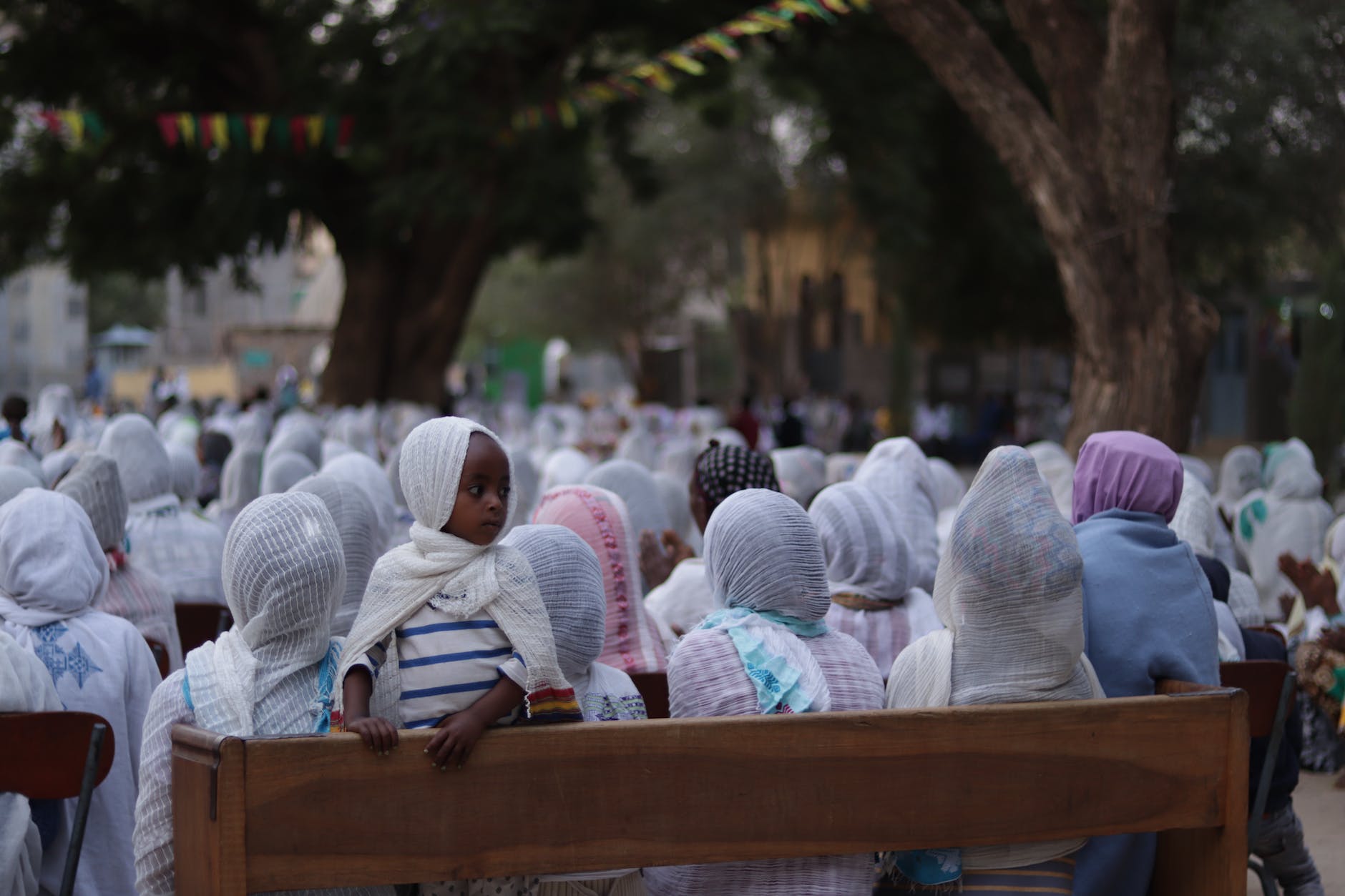
Here is your travel guide for Ethiopia.
Ethiopia, located in the Horn of Africa, is a country with a rich cultural heritage, stunning landscapes, and a history that dates back thousands of years. From ancient rock-hewn churches to vibrant markets and breathtaking natural wonders, Ethiopia offers a diverse and captivating travel experience.
Interesting Facts and Historical Information:
- Ethiopia is one of the oldest countries in the world, with recorded history dating back over 3,000 years.
- It is the only African country that was never colonized by a European power.
- Ethiopia is known as the “Land of Origins” as it is believed to be the birthplace of coffee.
- The country is home to nine UNESCO World Heritage sites, including the rock-hewn churches of Lalibela and the Simien Mountains National Park.
Popular Tourist Cities:
- Addis Ababa: The capital city of Ethiopia, Addis Ababa, is a bustling metropolis that offers a mix of modern and traditional attractions. It is the political, economic, and cultural hub of the country.
- Lalibela: Lalibela is a UNESCO World Heritage site and is famous for its rock-hewn churches, which are considered one of the greatest religious sites in the world.
Getting There
Major Airports:
- Addis Ababa Bole International Airport (ADD): Addis Ababa Bole International Airport is the main international gateway to Ethiopia. It is served by numerous international airlines and offers connections to major cities around the world.
Major Train Stations:
Ethiopia currently does not have a well-developed train network for passenger transportation.
Major Highways:
The major highways in Ethiopia include the Addis Ababa-Adama Expressway (Ethiopian Highway 1) and the North-South Highway (Ethiopian Highway 4), which connect major cities and regions.
Visa Requirements:
Visa requirements for Ethiopia vary depending on your nationality. Most visitors can obtain a tourist visa upon arrival at the airport, but it is recommended to check the latest visa requirements based on your citizenship before traveling.
Public Transportation:
Public transportation in Ethiopia mainly consists of buses and minibusses.
- Buses: Buses are the primary mode of long-distance transportation between cities and towns. There are both government-operated and private bus companies that offer scheduled services.
- Minibusses: Minibusses, also known as “blue donkeys,” are a common mode of transportation within cities and towns. They are affordable but can be crowded.
Accommodation:
Accommodation options in Ethiopia cater to various budgets and preferences.
Accommodation Options:
- Hotels: Ethiopia has a range of hotels, from budget-friendly options to luxury accommodations. In major cities like Addis Ababa, you can find internationally recognized hotel chains and boutique hotels.
- Guesthouses: Guesthouses and bed and breakfast establishments are available in many cities and towns, offering a more intimate and locally immersive experience.
- Hostels: Hostels are a popular choice for budget travelers and backpackers, particularly in tourist areas and larger cities.
- Vacation Rentals: Vacation rentals such as apartments and holiday homes can be found in some cities, providing more privacy and flexibility for longer stays.
Popular Neighborhoods:
- Bole, Addis Ababa: Bole is a vibrant neighborhood in Addis Ababa known for its bustling streets, shopping centers, and proximity to the airport. It offers a wide range of accommodation options, restaurants, and entertainment venues.
Average Cost of Accommodation:
The average cost of accommodation in Ethiopia varies depending on the location, type of lodging, and the level of comfort. Budget-friendly options such as guesthouses and hostels can range from $10 to $50 per night. Mid-range hotels typically range from $50 to $150 per night, while luxury hotels can exceed $200 per night.
Things to Do
Top Attraction:
- Rock-Hewn Churches of Lalibela: Visit the magnificent rock-hewn churches of Lalibela, a UNESCO World Heritage site. Marvel at the architectural wonder of these 13th-century churches carved out of solid rock.
Local Tours:
- Historic Route Tour: Explore Ethiopia’s Historic Route, which includes visits to ancient sites such as Axum, Gondar, and Bahir Dar. Discover ancient ruins, medieval castles, and the stunning Blue Nile Falls.
Shopping Areas:
- Merkato, Addis Ababa: Explore Merkato, one of the largest open-air markets in Africa. It offers a vast array of goods, including traditional crafts, spices, textiles, and souvenirs.
Outdoor Activities:
- Simien Mountains National Park: Embark on a trekking adventure in the Simien Mountains, a UNESCO World Heritage site known for its stunning landscapes, unique wildlife, and breathtaking viewpoints.
Entertainment Venues:
- Hager Fikir Theatre, Addis Ababa: Experience traditional Ethiopian music, dance, and theatrical performances at Hager Fikir Theatre, one of the oldest theaters in Addis Ababa.
Dining and Nightlife
Popular Local Cuisines and Must-Try Dishes or Restaurants:
- Injera: A staple food in Ethiopia, injera is a sourdough flatbread served with various stews and vegetable dishes. Try it with traditional dishes like doro wat (spicy chicken stew) or kitfo (minced raw meat).
- Coffee Ceremony: Ethiopia is known for its coffee culture. Participate in a traditional Ethiopian coffee ceremony, where coffee beans are roasted, ground, and brewed in front of you.
Budget-Friendly Restaurants:
- Yod Abyssinia, Addis Ababa: Yod Abyssinia offers traditional Ethiopian cuisine along with live music and cultural performances in a lively atmosphere.
- Mama’s Kitchen, Lalibela: Mama’s Kitchen serves authentic Ethiopian dishes, including vegetarian options, at reasonable prices.
Upscale Restaurants:
- The Green Restaurant, Addis Ababa: The Green Restaurant offers a fine dining experience with a focus on organic and locally sourced ingredients. It showcases Ethiopian and international cuisines.
- Ben Abeba, Lalibela: Ben Abeba is a unique restaurant perched on a hilltop in Lalibela, offering panoramic views and a fusion of Ethiopian and international flavors.
Popular Nightlife Spots, Bars, Clubs, or Entertainment Venues:
- Fendika Cultural Center, Addis Ababa: Fendika Cultural Center hosts live music performances featuring traditional Ethiopian music and dance. It is a great place to experience the local music scene.
Local Culture and Etiquette
Local Culture, Customs, and Traditions:
- Ethiopia has a rich cultural heritage influenced by ancient civilizations, diverse ethnic groups, and religious traditions. Ethiopians are known for their hospitality and respect for elders.
Appropriate Dress Code:
- When visiting religious sites or rural areas, it is respectful to dress modestly, covering shoulders and knees. In urban areas, casual and modest attire is generally acceptable.
Cultural Norms for Visitors:
- Greeting with a handshake and showing respect to elders are important cultural norms. It is customary to accept offers of hospitality and engage in polite conversation.
Tipping Practice:
- Tipping is not obligatory in Ethiopia, but it is appreciated for good service. In restaurants, a 10% tip is common if a service charge is not included. Tipping guides, drivers, and hotel staff is also customary.
Safety and Health
Vaccinations:
- Before traveling to Ethiopia, it is recommended to ensure routine vaccinations are up to date. Additional vaccinations such as Hepatitis A, Typhoid, and Yellow Fever may be advisable based on the areas you plan to visit.
Health Concerns:
- Travelers to Ethiopia should take precautions to prevent common travel-related illnesses, such as drinking bottled or purified water, practicing good hygiene, and avoiding street food.
US Embassy:
The United States Embassy in Ethiopia: Address: Entoto Street, Addis Ababa Contact: +251 11 130 6000
Useful Information
Local Currency:
The local currency in Ethiopia is the Ethiopian Birr (ETB).
Language Spoken:
The official language of Ethiopia is Amharic. English is widely spoken, particularly in urban areas and tourist destinations.
Time Zones:
Ethiopia operates on East Africa Time (EAT), which is UTC+3.
Best Time of Year to Visit:
The best time to visit Ethiopia is during the dry seasons, which are from October to May. This period offers pleasant weather for outdoor activities and cultural exploration. The peak tourist season is from October to January.
Seasonal Festivals:
- Timkat: Timkat is a religious festival celebrated in January, commemorating the Ethiopian Orthodox Epiphany. It includes colorful processions, music, and the reenactment of the baptism of Jesus.
Contact Information for Local Tourism Offices or Reliable Resources:
Ethiopian Tourism Organization: Website: https://www.ethiopia.travel/ Email: info@ethiopia.travel
Conclusion
Ethiopia, with its captivating history, natural beauty, and vibrant cultural traditions, offers a unique and unforgettable travel experience. Explore ancient sites, engage with local communities, and immerse yourself in the diverse landscapes of this remarkable country. Respect the local customs, embrace the warm hospitality of the Ethiopian people, and create lasting memories in the land of legends.
Make sure to do your own research before traveling to any foreign country. It is always a good idea to check for travel advisories from government resources before traveling.
U.S. Department of State – Travel.State.Gov:
- Website: https://travel.state.gov
Centers for Disease Control and Prevention (CDC):
- Website: https://www.cdc.gov/travel
UK Foreign, Commonwealth & Development Office – Travel Advice:
Be safe and enjoy your travels! Leave us a comment or photo of your adventures.
Don’t forget to like, share and comment!

 Harness Money
Leave a comment