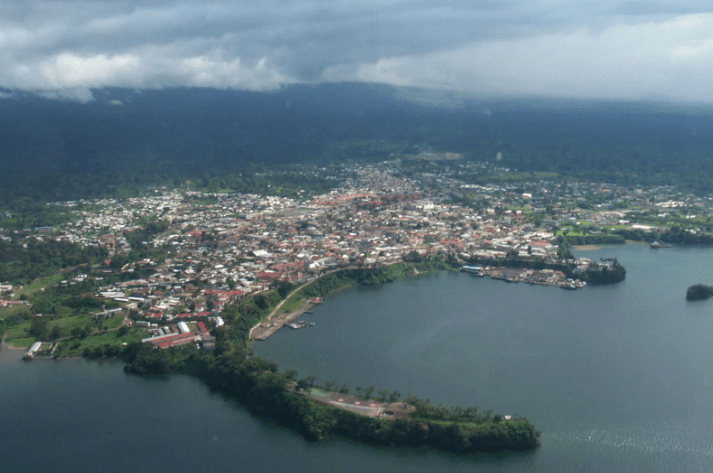
Here is your travel guide for Equatorial Guinea.
Equatorial Guinea is a small yet fascinating country located in Central Africa. Known for its rich biodiversity, cultural heritage, and unique blend of Spanish and African influences, it offers an off-the-beaten-path travel experience.
Whether you’re exploring the diverse ecosystems, discovering colonial architecture, or immersing yourself in local traditions, Equatorial Guinea has something for every adventurous traveler.
Interesting Facts and Historical Information:
- Equatorial Guinea is the only country in Africa where Spanish is an official language, due to its colonial history under Spanish rule.
- The country consists of both a mainland region, known as Rio Muni, and an archipelago of volcanic islands, including Bioko Island and Annobón Island.
- Equatorial Guinea is one of Africa’s top oil producers, which has significantly influenced its economy and development.
- The landscapes of Equatorial Guinea are characterized by lush rainforests, volcanic peaks, pristine beaches, and diverse wildlife, including endangered species such as gorillas and sea turtles.
Popular Tourist Cities:
- Malabo: The capital city of Equatorial Guinea, located on Bioko Island, is known for its colonial architecture, vibrant markets, and scenic waterfront.
- Bata: Situated on the mainland, Bata is the largest city in Equatorial Guinea. It offers a blend of traditional African and modern influences, with bustling markets and cultural attractions.
Getting There
Major Airports:
- Malabo International Airport (SSG): Located on Bioko Island, Malabo International Airport is the main gateway to Equatorial Guinea, offering international and domestic flights.
- Bata Airport (BSG): Serving the city of Bata, this airport provides domestic connections within Equatorial Guinea.
Major Train Stations:
Equatorial Guinea does not have a railway system.
Major Highways:
Equatorial Guinea has a limited road network. The primary highway connects Malabo and Bata, while secondary roads link various towns and regions.
Visa Requirements:
Visa requirements for Equatorial Guinea vary depending on your nationality. Most visitors are required to obtain a visa in advance. It is recommended to check the latest visa requirements and apply for a visa before traveling.
Public Transportation:
Public transportation options in Equatorial Guinea include buses, shared taxis, and motorbike taxis (known as “boda-bodas”). These services are available primarily in urban areas and major towns.
Accommodation
Accommodation options in Equatorial Guinea cater to a range of budgets and preferences.
Accommodation Options:
- Hotels: From luxury hotels to mid-range options, hotels in Malabo and Bata offer comfortable accommodations with various amenities and services.
- Guesthouses and Lodges: Guesthouses and lodges provide a more intimate and locally-oriented experience, often located in natural settings or rural areas.
- Vacation Rentals: Limited vacation rentals, such as apartments or villas, may be available for short-term stays.
Popular Neighborhoods:
- Malabo City Center: The city center of Malabo offers convenient access to major attractions, including the Presidential Palace, Malabo Cathedral, and local markets.
- Bata Central District: The central district of Bata is a lively area with markets, restaurants, and shops within walking distance.
Average Cost of Accommodation:
The average cost of accommodation in Equatorial Guinea varies depending on the location, type of lodging, and season. In general, hotels in major cities can range from $100 to $300 per night. Guesthouses and lodges may offer more affordable options starting from around $50 per night.
Things to Do
Top Attraction:
- Pico Basilé: Embark on a trekking adventure to Pico Basilé, the highest peak in Equatorial Guinea, located on Bioko Island. Enjoy panoramic views, lush rainforests, and diverse flora and fauna along the way.
Local Tours:
- Bioko Island Tour: Explore the natural wonders and cultural highlights of Bioko Island, including Malabo’s colonial architecture, the beautiful beaches of Ureka, and the biodiversity-rich Gran Caldera de Luba.
Shopping Areas:
- Malabo Central Market: Visit the bustling central market in Malabo to experience the vibrant atmosphere, browse local crafts, and find fresh produce, spices, and souvenirs.
- Bata Central Market: Immerse yourself in the lively ambiance of Bata’s central market, where you can find a variety of goods, including textiles, artwork, and local delicacies.
Outdoor Activities:
- Wildlife Encounters: Discover the country’s rich biodiversity by visiting wildlife reserves and national parks, such as Monte Alén National Park, where you can spot various species, including primates and exotic birds.
- Beaches: Enjoy the pristine beaches of Equatorial Guinea, such as Arena Blanca and Ureka Beach on Bioko Island, for sunbathing, swimming, and relaxation.
Entertainment Venues:
- National Theater of Equatorial Guinea: Experience the local arts scene by attending performances and cultural events at the National Theater in Malabo.
Dining and Nightlife
Popular Local Cuisines and Must-Try Dishes or Restaurants:
- Chicken Muambe: A traditional dish made with chicken, palm nut sauce, spices, and served with rice or fufu (a starchy dish).
- Sopa de Pescado: A flavorful fish soup made with local ingredients, including seafood, vegetables, and herbs.
Budget-Friendly Restaurants:
- La Pergola, Malabo: This casual restaurant offers affordable and tasty meals, including local dishes and international cuisine.
- Restaurant Nuni, Bata: Known for its value-for-money menu, Restaurant Nuni serves a variety of dishes, including grilled meats, seafood, and vegetarian options.
Upscale Restaurants:
- La Luna, Malabo: Located in a beautiful setting overlooking the ocean, La Luna offers an upscale dining experience with a menu featuring international and fusion cuisine.
- Restaurante Talia, Bata: With its elegant ambiance and a menu that includes seafood, grilled meats, and traditional Equatorial Guinean dishes, Restaurante Talia provides a refined dining experience.
Popular Nightlife Spots, Bars, Clubs, or Entertainment Venues:
- Club Malabo, Malabo: This popular nightclub in Malabo offers live music, DJ performances, and a vibrant atmosphere for dancing and socializing.
- Paseo Marítimo, Bata: Enjoy a stroll along the waterfront promenade in Bata, lined with bars and restaurants where you can relax and enjoy the local nightlife.
Local Culture and Etiquette
Local Culture, Customs, and Traditions:
- Equatorial Guinea is a diverse country with several ethnic groups. Respect for elders, communal values, and traditional customs are significant aspects of the local culture.
Appropriate Dress Code:
- Equatorial Guinea has a warm climate, but it is advisable to dress modestly, especially when visiting religious sites or rural areas, out of respect for local customs and traditions.
Cultural Norms for Visitors:
- Visitors are encouraged to respect local customs and traditions, greet locals with a handshake, and use common courtesy when interacting with people.
Tipping Practice:
- Tipping is not widely expected in Equatorial Guinea, but it is appreciated for exceptional service. Leaving a small tip is a gesture of appreciation, particularly in upscale establishments.
Safety and Health
Vaccinations:
- It is advisable to consult with a healthcare professional or travel clinic before visiting Equatorial Guinea to ensure you are up to date on routine vaccinations. Additional vaccinations such as hepatitis A, typhoid, and yellow fever may be recommended.
Health Concerns:
- Malaria is a concern in Equatorial Guinea, particularly in rural areas. It is important to take precautions against mosquito bites by using insect repellent and sleeping under mosquito nets.
US Embassy:
The United States Embassy in Equatorial Guinea: Address: Carretera Malabo II, Malabo Contact: +240 333 09 57 41
Useful Information
Local Currency:
The local currency in Equatorial Guinea is the Central African CFA franc (XAF).
Language Spoken:
The official languages of Equatorial Guinea are Spanish, French, and Portuguese. Indigenous languages such as Fang and Bubi are also spoken.
Time Zones:
Equatorial Guinea operates on West Africa Time (WAT), which is UTC+1.
Best Time of Year to Visit:
The best time to visit Equatorial Guinea is during the dry season, from December to February, when rainfall is minimal and temperatures are pleasant. However, the country can be visited year-round, with the rainy season offering lush landscapes and fewer tourists.
Seasonal Festivals:
- Independence Day: Celebrated on October 12th, Independence Day is a national holiday commemorating Equatorial Guinea’s independence from Spain. Festivities include parades, cultural events, and fireworks.
Conclusion
Equatorial Guinea offers a unique and diverse travel experience with its natural beauty, cultural heritage, and warm hospitality. From exploring colonial architecture to immersing yourself in the country’s rich biodiversity, there is much to discover.
Embrace the fusion of African and Spanish influences, savor local cuisines, and engage with the friendly locals. Equatorial Guinea invites you to embark on an unforgettable journey off the beaten path in Central Africa.
Make sure to do your own research before traveling to any foreign country. It is always a good idea to check for travel advisories from government resources before traveling.
U.S. Department of State – Travel.State.Gov:
- Website: https://travel.state.gov
Centers for Disease Control and Prevention (CDC):
- Website: https://www.cdc.gov/travel
UK Foreign, Commonwealth & Development Office – Travel Advice:
Be safe and enjoy your travels! Leave us a comment or photo of your adventures.
Don’t forget to like, share and comment!

 Harness Money
Leave a comment