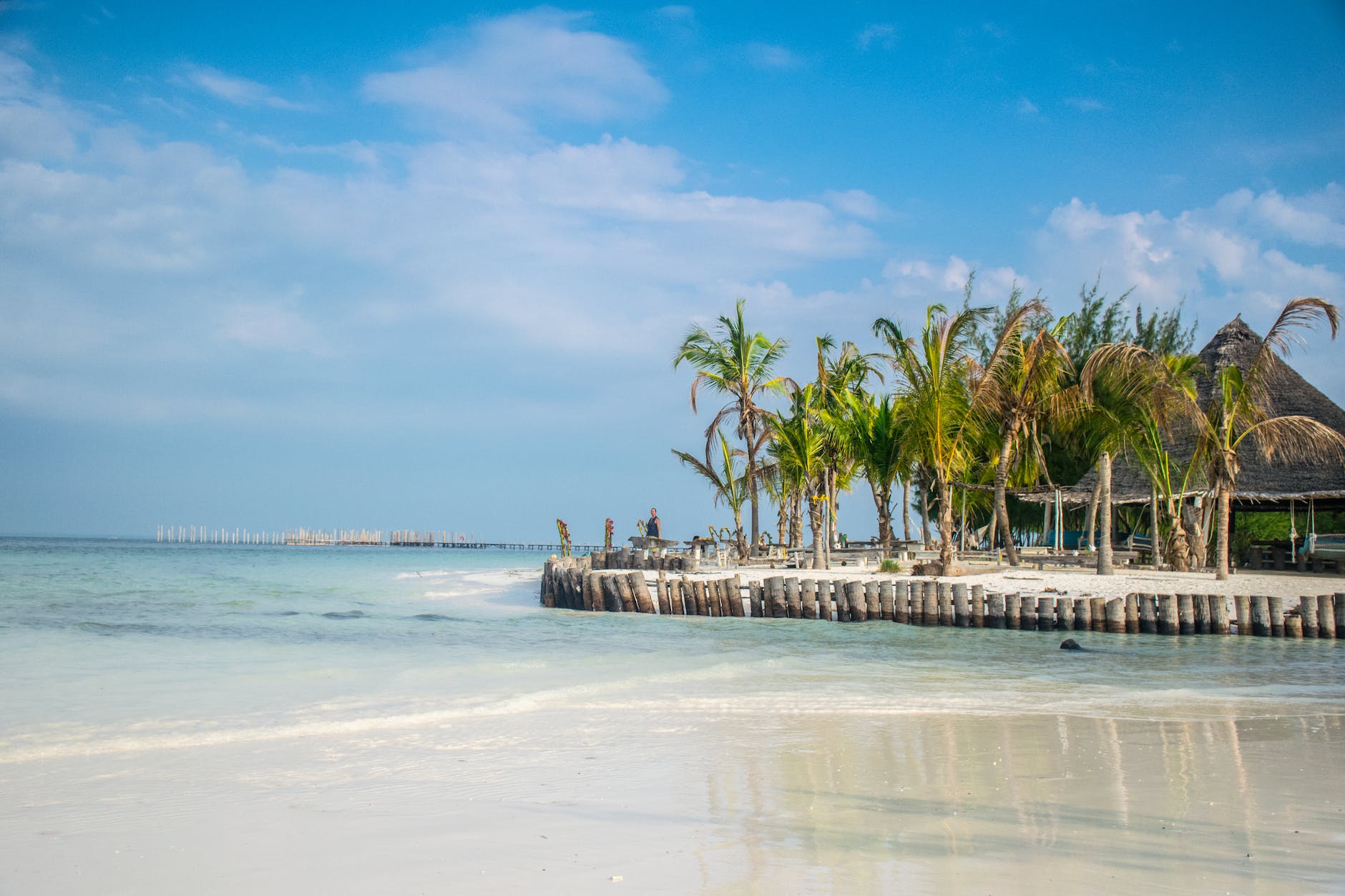
Here is your travel guide for the nation of Comoros.
Welcome to Comoros, a stunning archipelago nestled in the Indian Ocean off the eastern coast of Africa. Comoros consists of four main islands, each with its own unique charm and natural beauty. This travel guide will provide you with essential information to make the most of your visit to this enchanting destination.
Interesting Facts:
- Comoros is known as the “Perfume Islands” due to its historical association with the production of fragrant spices and plants such as ylang-ylang, vanilla, and cloves.
- It is one of the world’s largest producers of ylang-ylang, an essential oil widely used in perfumery.
- Comoros has a rich cultural heritage influenced by Arab, African, and French traditions.
- The islands are home to diverse marine life, making it a paradise for snorkeling and diving enthusiasts.
- Comoros is the only country in the world to be a member of both the African Union and the Arab League.
Popular Tourist Cities:
- Moroni: The capital city of Comoros, Moroni, offers a blend of traditional and modern attractions. Visit the iconic Old Friday Mosque, explore the bustling market of Volo Volo, and take in panoramic views from the Karthala volcano.
- Mutsamudu: Located on the island of Anjouan, Mutsamudu is known for its well-preserved historic quarter, featuring narrow streets, colorful houses, and beautiful mosques. Don’t miss the opportunity to visit the stunning Domoni Palace and the lively Central Market.
Getting There
Major Airports:
- Prince Said Ibrahim International Airport (HAH) in Moroni is the main gateway to Comoros. It offers international connections to various destinations, including neighboring African countries and the Middle East.
Major Train Stations: Comoros does not have a train network.
Major Highways: Comoros has a limited road network, with the primary roads connecting the major towns and cities. It’s advisable to rent a car or hire a local driver to explore the islands conveniently.
Visa Requirements: Most visitors to Comoros require a visa, which can be obtained upon arrival at the airport or in advance from Comoran diplomatic missions abroad. It’s recommended to check the latest visa requirements and regulations before traveling.
Public Transportation: Public transportation in Comoros mainly consists of shared taxis and minibusses, locally known as “bush taxis.” These vehicles operate on fixed routes, but they can be crowded and not always the most reliable option. Negotiating fares before boarding is common.
Accommodation: Comoros offers a range of accommodation options, including hotels, guesthouses, hostels, and vacation rentals. The availability and standards of accommodation can vary across the islands. It’s advisable to book in advance, particularly during the peak tourist season.
Popular Neighborhoods:
- Moroni: The neighborhoods of Badjanani and Mvouni in Moroni are popular among tourists due to their proximity to major attractions and amenities.
Average Cost of Accommodation: The average cost of accommodation in Comoros varies depending on the island, location, and type of accommodation. In general, budget options such as guesthouses and hostels start around $30-50 per night, while mid-range hotels range from $70-150 per night.
Things to Do: Top Attraction:
- Mount Karthala: Embark on a challenging but rewarding hike to the summit of Mount Karthala, an active volcano on Grande Comore. Enjoy breathtaking views and witness the volcanic landscapes.
Local Tours:
- Snorkeling and Diving: Explore the vibrant underwater world surrounding the islands, teeming with colorful coral reefs and marine life. Arrange snorkeling or diving excursions with local tour operators.
Shopping Areas:
- Volo Volo Market: Immerse yourself in the vibrant atmosphere of this bustling market in Moroni. Browse through local handicrafts, spices, fresh produce, and traditional clothing.
Outdoor Activities:
- Beaches: Comoros boasts pristine beaches with crystal-clear waters. Spend a relaxing day sunbathing, swimming, or taking part in water sports along the coastline.
Entertainment Venues: Comoros has a limited number of entertainment venues. You may find small bars and clubs in Moroni offering live music performances and local cultural shows.
Dining and Nightlife
Popular Local Cuisine:
- Comorian cuisine is influenced by African, Arab, and French flavors. Don’t miss trying “langouste a la vanille” (lobster with vanilla sauce), “pilao” (spiced rice dish), and “coconut bread.”
Budget-Friendly Restaurants:
- La Grillade in Moroni: This local eatery offers delicious grilled seafood and traditional Comorian dishes at affordable prices.
- Le Kafe in Mutsamudu: Enjoy a variety of inexpensive dishes, including local specialties and international cuisine, in a relaxed atmosphere.
Upscale Restaurants:
- Le Moroni Restaurant in Moroni: Indulge in a fine dining experience with a fusion of Comorian and French cuisine, accompanied by stunning views of the Indian Ocean.
Popular Nightlife Spots:
- Le New Arena in Moroni: This nightclub is known for its vibrant atmosphere, live music, and energetic dance floor, attracting both locals and tourists.
Local Culture and Etiquette
Local Culture, Customs, and Traditions:
- Comoros has a predominantly Muslim culture, and it’s important to respect local customs and traditions. Modesty in dress and behavior is encouraged.
Appropriate Dress Code:
- When visiting religious sites or public places, it’s advisable to dress modestly, covering shoulders and knees. On the beaches, swimwear is acceptable.
Cultural Norms for Visitors:
- Comorians are known for their warm hospitality. It is customary to greet people with a handshake and engage in polite conversation.
Tipping Practice:
- Tipping is not mandatory in Comoros but is appreciated for good service. It’s common to leave a small gratuity for waitstaff and tour guides.
Safety and Health: Vaccinations:
- Before traveling to Comoros, it is recommended to be up to date on routine vaccinations. Additional vaccinations may be required, depending on the length of stay and activities planned. Consult with a healthcare professional for personalized advice.
Health Concerns:
- It’s advisable to drink bottled water and take precautions against mosquito bites to prevent diseases such as malaria and dengue fever. Travelers should have travel insurance that covers medical emergencies.
US Embassy:
- The United States does not have an embassy in Comoros. The nearest embassy is in Antananarivo, Madagascar. Contact the U.S. Embassy in Madagascar for assistance during your visit to Comoros.
Useful Information
Local Currency:
- The currency of Comoros is the Comorian Franc (KMF).
Language Spoken:
- Comorian and French are the official languages of Comoros. Arabic is also widely spoken.
Time Zones:
- Comoros operates on East Africa Time (EAT), which is 3 hours ahead of Coordinated Universal Time (UTC+3).
Best Time of Year to Visit:
- The best time to visit Comoros is during the dry season, from May to November, when the weather is pleasant and rainfall is minimal.
Seasonal Festivals:
- The Mwaka Kogwa Festival: Celebrated in July on the island of Zanzibar, this festival includes traditional rituals, music, dancing, and the famous “hut-burning” ceremony.
Conclusion
Make sure to do your own research before traveling to any foreign country. It is always a good idea to check for travel advisories from government resources before traveling.
U.S. Department of State – Travel.State.Gov:
- Website: https://travel.state.gov
Centers for Disease Control and Prevention (CDC):
- Website: https://www.cdc.gov/travel
UK Foreign, Commonwealth & Development Office – Travel Advice:
Be safe and enjoy your travels! Leave us a comment or photo of your adventures.
Don’t forget to like, share and comment!

 Harness Money
Leave a comment