Here is your travel guide for Burundi.
Introduction
Burundi, a small landlocked country in East Africa, offers a unique travel experience with its rich history, stunning landscapes, and vibrant culture. Known as the “Heart of Africa,” Burundi is often referred to as the “Switzerland of Africa” due to its scenic mountains and picturesque lakes.
Interesting Facts
- Burundi is home to the second-deepest lake in the world, Lake Tanganyika.
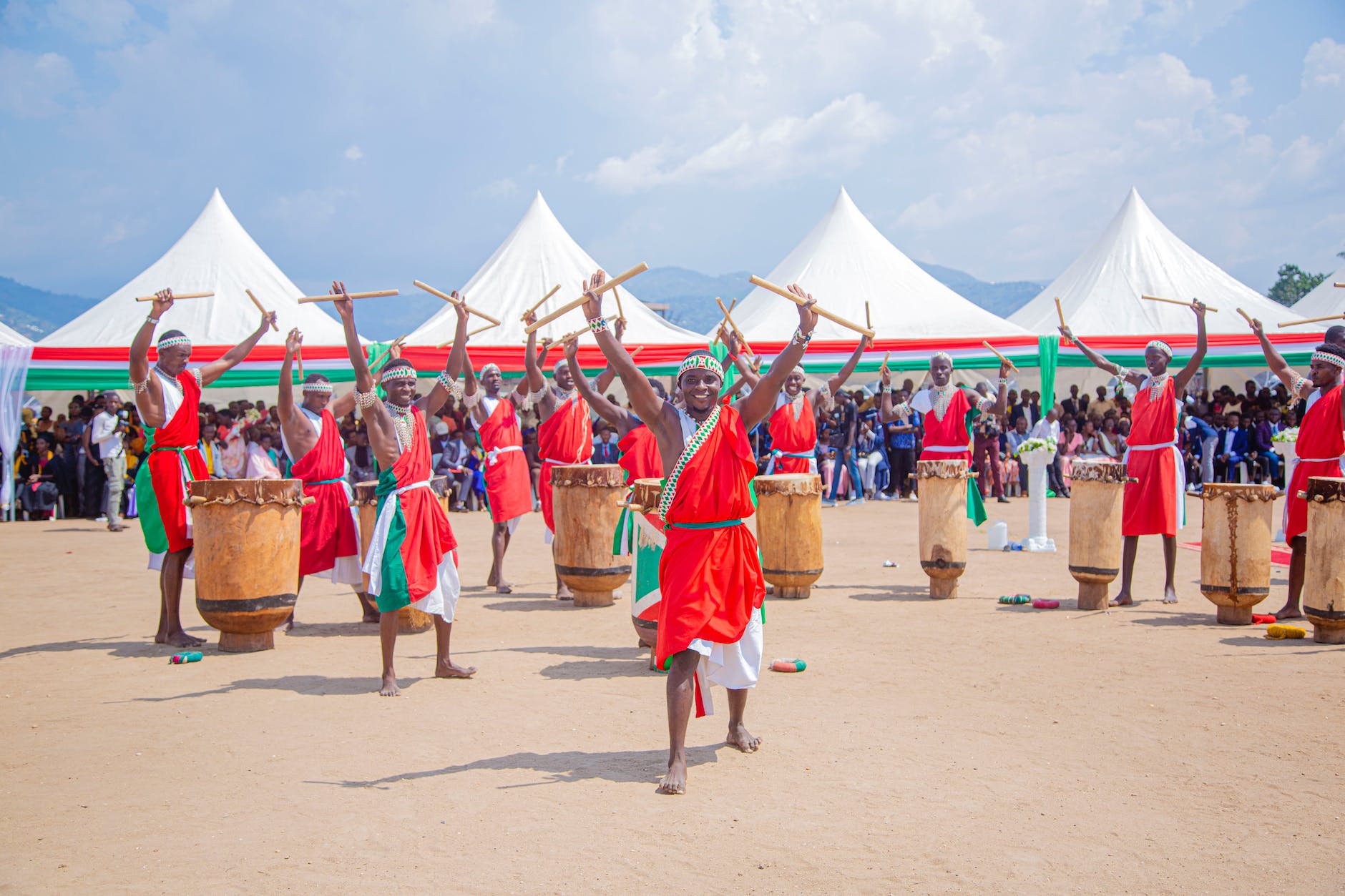
- It is one of the few countries in the world where drumming is recognized as a cultural heritage by UNESCO.
- Burundi is known for its traditional drummers, breathtaking landscapes, and warm hospitality.
Popular Tourist Cities
- Bujumbura: The capital city and the country’s largest city, located on the shores of Lake Tanganyika.
- Gitega: The former capital city, known for its historical and cultural sites.
Getting There
Major Airports: Bujumbura International Airport is the main gateway to Burundi, with international flights connecting to various destinations. Major Train Stations: Burundi does not have a train network.
Major Highways: The RN1 highway connects Bujumbura to major cities within the country.
Visa Requirements: Visitors to Burundi typically require a visa. Check with the Burundi embassy or consulate in your country for specific visa requirements.
Public Transportation
Taxis and minibusses (locally known as “matatus”) are common modes of transportation within the cities.
Accommodation
Burundi offers a range of accommodation options to suit different budgets and preferences. In Bujumbura, you can find luxury hotels, mid-range guesthouses, budget-friendly hostels, and vacation rentals. Popular neighborhoods for accommodation include the city center, Lake Tanganyika waterfront, and residential areas.
Average cost of accommodation
The average cost of accommodation in Burundi varies depending on the type of lodging. Budget options like hostels or guesthouses can range from $20 to $50 per night, while mid-range hotels may cost around $60 to $100 per night. Luxury hotels and resorts can exceed $150 per night.
Things to Do
- Visit Rusizi National Park: Explore this scenic park known for its diverse wildlife, including hippos, crocodiles, and numerous bird species.
- Discover Lake Tanganyika: Enjoy swimming, fishing, or relaxing on the pristine beaches of Lake Tanganyika, one of the largest and deepest lakes in the world.
- Explore Bujumbura City: Visit the Livingstone-Stanley Monument, the Musee Vivant (Living Museum), and the Central Market to experience the local culture and vibrant atmosphere.
Local Tours
Various local tour operators offer guided tours to explore the natural wonders, cultural heritage, and historical sites of Burundi. These tours can include visits to national parks, cultural villages, traditional drumming performances, and scenic boat rides on Lake Tanganyika.
Shopping Areas
In Bujumbura, the Central Market and the Crafts Market are popular places to shop for local handicrafts, artworks, fabrics, and traditional souvenirs.
Outdoor Activities
Experience outdoor adventures such as hiking in the Bururi Forest Reserve, birdwatching in Kibira National Park, or exploring the scenic landscapes of the Ruvubu National Park.
Entertainment Venues
Bujumbura offers a range of entertainment venues, including bars, clubs, and live music venues where you can enjoy local music and dance performances.
Dining and Nightlife
Popular local cuisines in Burundi include dishes like mukeke fish, beef brochettes, and plantains. Must-try restaurants in Bujumbura include Maquis du Lac, Le Terminus, and Restaurant Oasis. For a budget-friendly dining experience, explore local food stalls or small eateries serving traditional dishes. Upscale restaurants can be found in high-end hotels.
Popular Nightlife Spots: Bujumbura’s nightlife scene offers a mix of bars and clubs where you can enjoy live music, dance to local beats, and socialize with locals and fellow travelers. Some popular nightlife spots include Pub Nuit et Jour, Havana Club, and Club du Lac Tanganyika.
Local Culture and Etiquette
- Burundi has a diverse cultural heritage with a strong emphasis on traditional values, respect, and community.
- Dress modestly when visiting religious sites or rural areas.
- Greeting with a handshake is customary, and it is polite to ask about the person’s well-being before engaging in conversation.
- Tipping is not common in Burundi, but it is appreciated for exceptional service.
Safety and Health
- Ensure you have up-to-date vaccinations before traveling to Burundi. Consult with a healthcare professional or travel clinic for specific recommendations.
- Follow travel advisories and take necessary precautions regarding personal safety and security.
- In case of emergencies, contact the nearest US embassy or consulate for assistance.
Useful Information
- Local Currency: Burundian Franc (BIF)
- Language Spoken: Kirundi, French, and English are widely spoken.
- Time Zones: Burundi operates on East Africa Time (EAT), which is UTC+2.
- Best Time of Year to Visit: The dry season from June to September is generally considered the best time to visit Burundi.
- Seasonal Festivals: Burundi celebrates various cultural festivals, including the Royal Drum Festival in November and the Intore Festival in August.
- For further information, you can contact the Burundi National Tourism Office or refer to reliable travel resources like official tourism websites and guidebooks.
Conclusion
Make sure to do your own research before traveling to any foreign country. It is always a good idea to check for travel advisories from government resources before traveling.
U.S. Department of State – Travel.State.Gov:
- Website: https://travel.state.gov
Centers for Disease Control and Prevention (CDC):
- Website: https://www.cdc.gov/travel
UK Foreign, Commonwealth & Development Office – Travel Advice:
Remember to check travel advisories and plan your trip accordingly. Enjoy your visit to Burundi, exploring its natural beauty, rich culture, and warm hospitality!

 Harness Money
Leave a comment