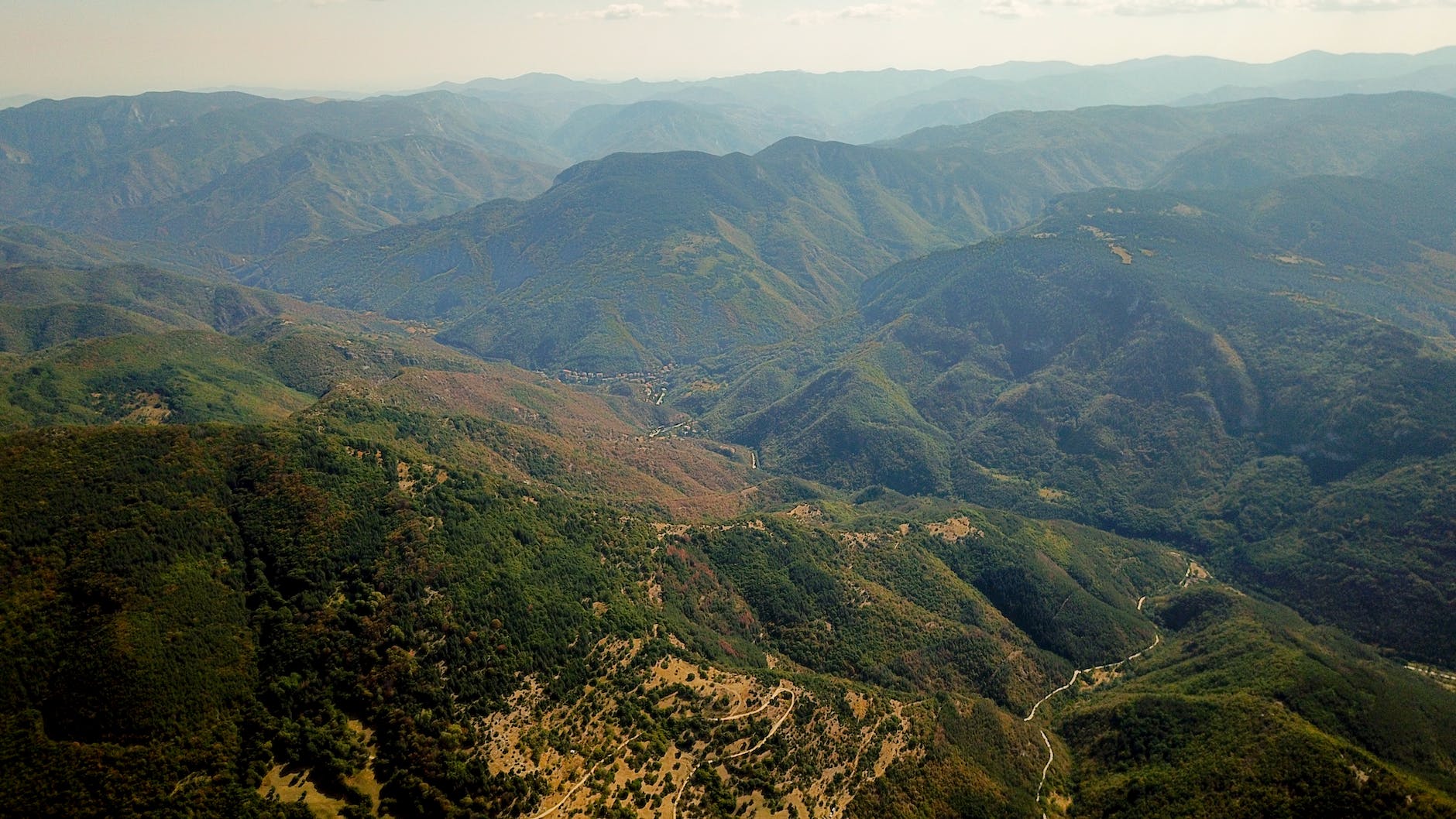
Here is your travel guide for Bulgaria.
Introduction
Bulgaria, located in Southeast Europe, is a captivating destination known for its rich history, diverse landscapes, and vibrant culture. From ancient ruins to charming towns and stunning natural beauty, Bulgaria offers a range of experiences for travelers.
Interesting Facts and Historical Information:
- Bulgaria is one of the oldest countries in Europe, with a history dating back to ancient times.
- The country is known for its Thracian heritage, including the famous Thracian gold treasures.
- Bulgaria has a unique Cyrillic alphabet, which is also used in Russia and other Slavic countries.
- The stunning Rila Monastery, a UNESCO World Heritage site, is a significant cultural and spiritual symbol in Bulgaria.
- Bulgaria is home to seven cultural and two natural UNESCO World Heritage sites.
Popular Tourist Cities:
- Sofia: The capital city, offering a mix of historical landmarks, vibrant nightlife, and cultural attractions.
- Plovdiv: Known for its well-preserved Roman amphitheater and charming old town.
- Varna: A coastal city with beautiful beaches and a lively summer resort atmosphere.
- Burgas: Another coastal city known for its stunning beaches and a gateway to the Black Sea resorts.
- Veliko Tarnovo: A historic town with a medieval fortress and picturesque architecture.
Getting There
Major Airports: Sofia Airport (SOF), Varna Airport (VAR), and Burgas Airport (BOJ) are the main international airports in Bulgaria.
Major Train Stations: Sofia Central Railway Station is the primary train hub connecting various cities in Bulgaria.
Major Highways: The Hemus Motorway and Trakia Motorway are two major highways connecting different parts of the country.
Visa Requirements: Check with the Bulgarian embassy or consulate in your country for the latest visa requirements.
Public Transportation: Bulgaria has an extensive public transportation network, including buses, trains, and trams, making it easy to travel within and between cities.
Accommodation: Accommodation options in Bulgaria include hotels, guesthouses, hostels, and vacation rentals. Popular neighborhoods in cities like Sofia, Plovdiv, and Varna offer a range of accommodation choices to suit different budgets.
Average cost of accommodation: The average cost of accommodation in Bulgaria varies depending on the city and type of accommodation. Budget options such as hostels and guesthouses can range from $10 to $30 per night, while mid-range hotels can cost between $30 and $100 per night.
Things to Do
Top Attractions:
- Rila Monastery: A stunning monastery located in the Rila Mountains.
- Boyana Church: A UNESCO-listed medieval church near Sofia known for its beautiful frescoes.
- Old Town of Plovdiv: Explore the charming cobblestone streets, Roman ruins, and traditional houses.
- Black Sea Coastline: Enjoy the beautiful beaches and resorts along the Black Sea coast.
- Pirin National Park: A UNESCO World Heritage site known for its diverse wildlife and hiking trails.
Local tours: Consider guided tours to explore attractions like the Seven Rila Lakes, Veliko Tarnovo’s Tsarevets Fortress, and the wine regions of Bulgaria.
Shopping Areas: Visit Sofia’s Vitosha Boulevard for upscale shopping, or explore local markets and craft shops for unique souvenirs.
Outdoor Activities: Hiking in the mountains, skiing in winter resorts, and enjoying water sports along the Black Sea coast are popular outdoor activities.
Entertainment Venues: Sofia offers a vibrant nightlife scene with numerous bars, clubs, and live music venues.
Dining and Nightlife: Popular local cuisines include Banitsa (cheese-filled pastry), Shopska Salad, and Kavarma (traditional meat stew). Must-try restaurants include traditional Bulgarian taverns known as “mehanas,” offering authentic dishes and live folk music.
Budget-friendly restaurants: Look for local eateries and street food stalls for affordable and delicious meals.
Upscale restaurants: Sofia and other major cities have upscale dining options serving both Bulgarian and international cuisines.
Popular nightlife spots, bars, clubs, or entertainment venues: Sofia’s Vitosha Boulevard and the trendy Kapana district in Plovdiv are popular areas for nightlife, with a variety of bars, clubs, and music venues.
Local Culture and Etiquette:
- Bulgarians are known for their hospitality and warmth. Greetings are typically accompanied by a handshake.
- Dress modestly when visiting religious sites.
- It is customary to remove your shoes when entering someone’s home.
- Tipping is appreciated in restaurants and for services such as taxis. A 10% tip is common.
Safety and Health: Check the latest travel advisories and follow general safety precautions. No specific vaccinations are required for entry into Bulgaria, but it’s recommended to be up-to-date on routine vaccines.
US Embassy: The U.S. Embassy in Bulgaria is located in Sofia. Contact information: Address: 16 Kozyak Street, Sofia 1407 Phone: +359 2 937 5100
Useful Information: Local Currency: Bulgarian Lev (BGN) Language Spoken: Bulgarian Time Zones: Eastern European Time (EET, UTC+2) Best time of year to visit: Spring (April to June) and early autumn (September to October) offer pleasant weather for exploring Bulgaria. Seasonal Festivals: The Rose Festival in Kazanlak (June) and the Kukeri Carnival in Pernik (January/February) are popular cultural festivals.
Contact information for local tourism offices or reliable resources for further information:
- Bulgarian Tourism Board: website: bulgariatravel.org, email: info@bulgariatravel.org
- Visit Bulgaria: website: visitbulgaria.net
Conclusion
Make sure to do your own research before traveling to any foreign country. It is always a good idea to check for travel advisories from government resources before traveling.
U.S. Department of State – Travel.State.Gov:
- Website: https://travel.state.gov
Centers for Disease Control and Prevention (CDC):
- Website: https://www.cdc.gov/travel
UK Foreign, Commonwealth & Development Office – Travel Advice:

 Harness Money
Leave a comment