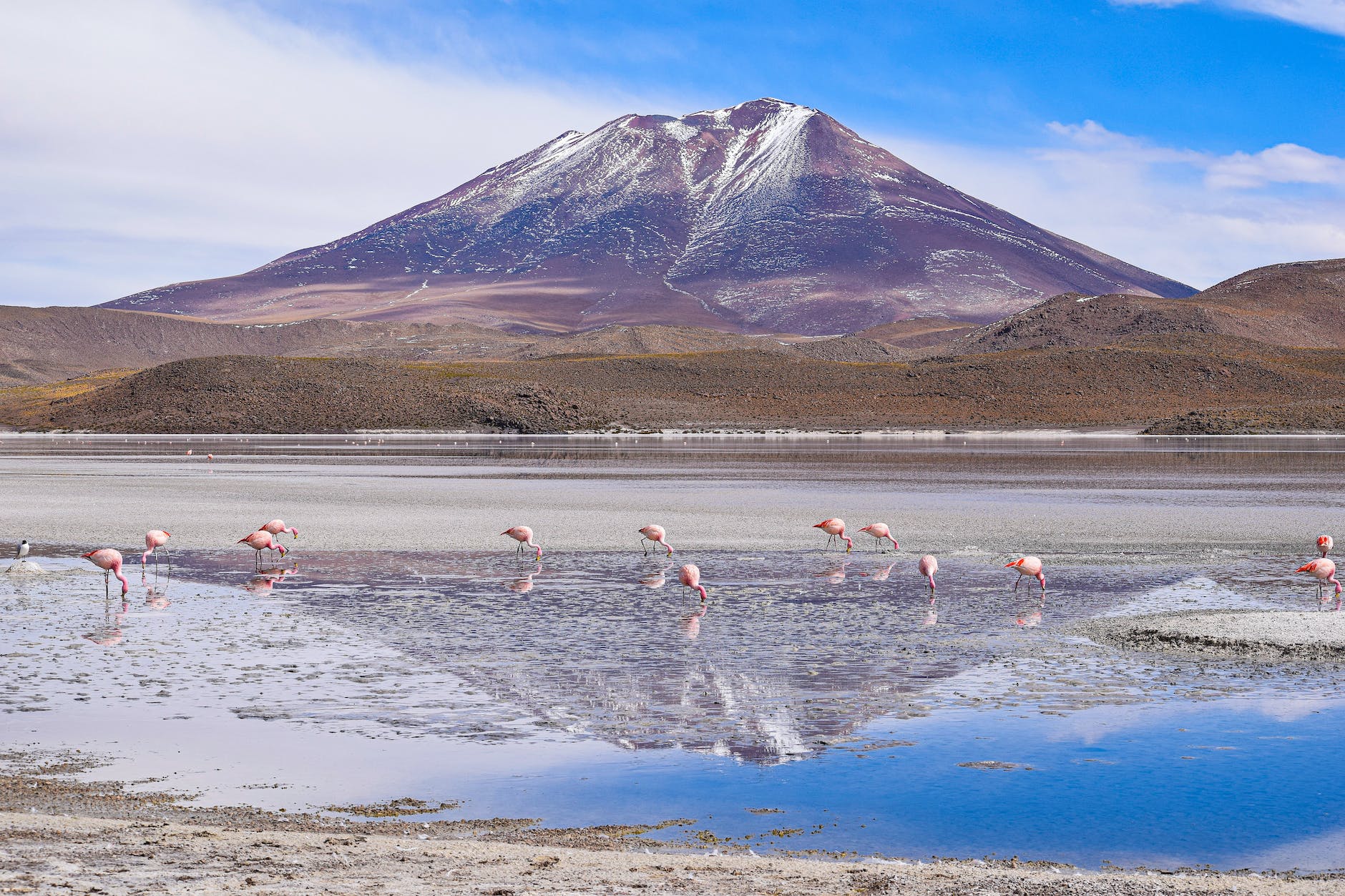
Here is your travel guide for Bolivia.
Introduction
Bolivia, located in the heart of South America, is a captivating and diverse destination that offers stunning landscapes, rich cultural heritage, and unique experiences. With its fascinating history, vibrant indigenous cultures, and breathtaking natural wonders, Bolivia is a country that promises to leave visitors in awe.
Interesting facts or historical information about the destination
- Bolivia is known for its cultural diversity, with over 36 indigenous ethnic groups that contribute to the country’s rich heritage.
- The country is home to the world’s highest capital city, La Paz, situated at an elevation of over 3,600 meters (11,800 feet) above sea level.
- Bolivia boasts the largest salt flat in the world, the Salar de Uyuni, a vast expanse of white salt that creates mesmerizing reflections and otherworldly landscapes.
Popular Tourist Cities
- La Paz: The capital city, located in the highlands, offers a mix of modern urban life and traditional indigenous culture.
- Sucre: Bolivia’s constitutional capital and a UNESCO World Heritage Site, renowned for its colonial architecture and historic charm.
- Santa Cruz: The country’s largest city, known for its lively atmosphere, vibrant markets, and access to the Amazon rainforest.
Getting There
Major Airports:
- El Alto International Airport (LPB) in La Paz
- Viru Viru International Airport (VVI) in Santa Cruz
- Juana Azurduy de Padilla International Airport (SRE) in Sucre
Major Train Stations:
- Bolivia has limited train services, but the Ferroviaria Andina operates scenic train routes, such as the famous Death Road tour from La Paz.
Major highways:
- The main highways in Bolivia include the North Yungas Road, also known as the Death Road, which connects La Paz to Coroico. It is famous for its stunning views and adrenaline-pumping cycling tours.
Visa requirements:
- Visitors from many countries, including the United States, European Union, and Canada, can enter Bolivia as tourists without a visa for a specified period. However, it is advisable to check the latest visa requirements before traveling.
Public transportation:
- Public transportation in Bolivia includes buses and shared taxis. Minibusses, known as “micros,” are a common mode of transport within cities. Taxis are also available but ensure they are authorized and use a meter or negotiate the fare in advance.
Accommodation:
- Accommodation options in Bolivia range from budget-friendly hostels and guesthouses to upscale hotels and vacation rentals.
- Popular neighborhoods for accommodation in La Paz include Sopocachi and San Miguel, while in Santa Cruz, Equipetrol is a popular area.
- The average cost of accommodation varies depending on the location and the type of accommodation chosen, but budget travelers can find affordable options starting from around $10-20 per night.
Things to Do
Top Attractions:
- Salar de Uyuni: Explore the otherworldly landscapes of the world’s largest salt flat, known for its mirror-like reflections and vast white plains.
- Tiwanaku: Visit the ancient ruins of Tiwanaku, an archaeological site that was once the center of an influential pre-Columbian civilization.
- Lake Titicaca: Discover the highest navigable lake in the world, dotted with scenic islands and indigenous communities.
- Potosi: Explore the historic city of Potosi, known for its colonial architecture and the famous Cerro Rico silver mines.
Local tours:
- Take a guided tour of the Salar de Uyuni, where you can marvel at the unique landscapes and visit nearby attractions like Isla Incahuasi.
- Experience a traditional community stay on the shores of Lake Titicaca, where you can learn about the local culture and way of life.
Shopping Areas:
- La Paz’s Witches’ Market (Mercado de las Brujas) offers a unique shopping experience with stalls selling traditional herbs, potions, and traditional handicrafts.
- In Santa Cruz, visit the colorful Mercado Mutualista to find a wide variety of local produce, crafts, and clothing.
Outdoor activities:
- Trek through the Cordillera Real mountain range near La Paz, offering stunning scenery and challenging hiking opportunities.
- Experience the thrill of mountain biking down the Death Road, an adrenaline-pumping adventure from La Paz to Coroico.
Entertainment venues:
- Enjoy traditional music and dance performances in La Paz or Sucre, showcasing Bolivia’s vibrant folklore and cultural traditions.
- In Santa Cruz, you can find a lively nightlife scene with bars, clubs, and live music venues.
Dining and Nightlife
Popular local cuisines and mention must-try dishes or restaurants:
- Sample traditional Bolivian dishes such as salteñas (meat-filled pastries), anticuchos (grilled meat skewers), and llama meat dishes. Don’t miss trying the refreshing drink called api.
Budget-Friendly restaurants:
- In La Paz, explore the local food stalls at Mercado Lanza or Mercado Rodriguez for affordable and delicious Bolivian cuisine.
- Santa Cruz’s Mercado Los Pozos offers a variety of local dishes at budget-friendly prices.
Upscale restaurants:
- Enjoy gourmet dining experiences in upscale restaurants in major cities like Gustu in La Paz, known for its innovative Bolivian cuisine.
Popular nightlife spots, bars, clubs, or entertainment venues:
- In La Paz, head to Calle Jaen, a historic street lined with lively bars and restaurants, or visit the trendy districts of Sopocachi and San Miguel.
- Santa Cruz’s Equipetrol neighborhood offers a vibrant nightlife scene with a range of bars, clubs, and live music venues.
Local Culture and Etiquette: Local culture, customs, and traditions:
- Bolivian culture is deeply rooted in indigenous traditions and influenced by Spanish colonial heritage. Respect for traditions, family values, and community is highly valued.
Appropriate dress code:
- While casual attire is generally acceptable, it is recommended to dress modestly and respectfully, especially when visiting religious sites or rural communities.
Cultural norms for visitors:
- It is customary to greet locals with a handshake and to show respect for elders and authority figures.
- Engaging in conversations and showing genuine interest in Bolivian culture and traditions is appreciated.
Tipping practice:
- Tipping is not mandatory in Bolivia, but leaving a small tip at restaurants and for excellent service is appreciated.
Safety and Health
Vaccinations:
- It is advisable to check with your healthcare provider regarding recommended vaccinations before traveling to Bolivia. Common vaccinations include those for hepatitis A and B, typhoid, and yellow fever.
Health concerns:
- Altitude sickness can be a concern in high-altitude areas. It is recommended to acclimatize gradually and stay hydrated. Consult with a healthcare professional if you have any concerns.
US Embassy:
- U.S. Embassy in Bolivia: Address: Av. Arce 2780, La Paz Emergency Phone: +591-2-216-8000
Useful Information
Local Currency: Boliviano (BOB)
Language Spoken: Spanish (Quechua and Aymara are also spoken in some regions)
Time Zones: Bolivia Time (BOT, GMT-4)
Best time of year to visit: The dry season between May and October is generally considered the best time to visit Bolivia.
Seasonal festivals: The Alasitas Festival in La Paz (January/February) and the Gran Poder Festival in La Paz (May/June) are vibrant celebrations showcasing Bolivian culture and traditions.
Contact information for local tourism offices or reliable resources for further information
- Bolivia Tourism Board: www.bolivia.travel
- La Paz Tourism Office: +591-2-211-0960
- Santa Cruz Tourism Office: +591-3-334-2000
- Sucre Tourism Office: +591-4-645-0348

 Harness Money
Leave a comment