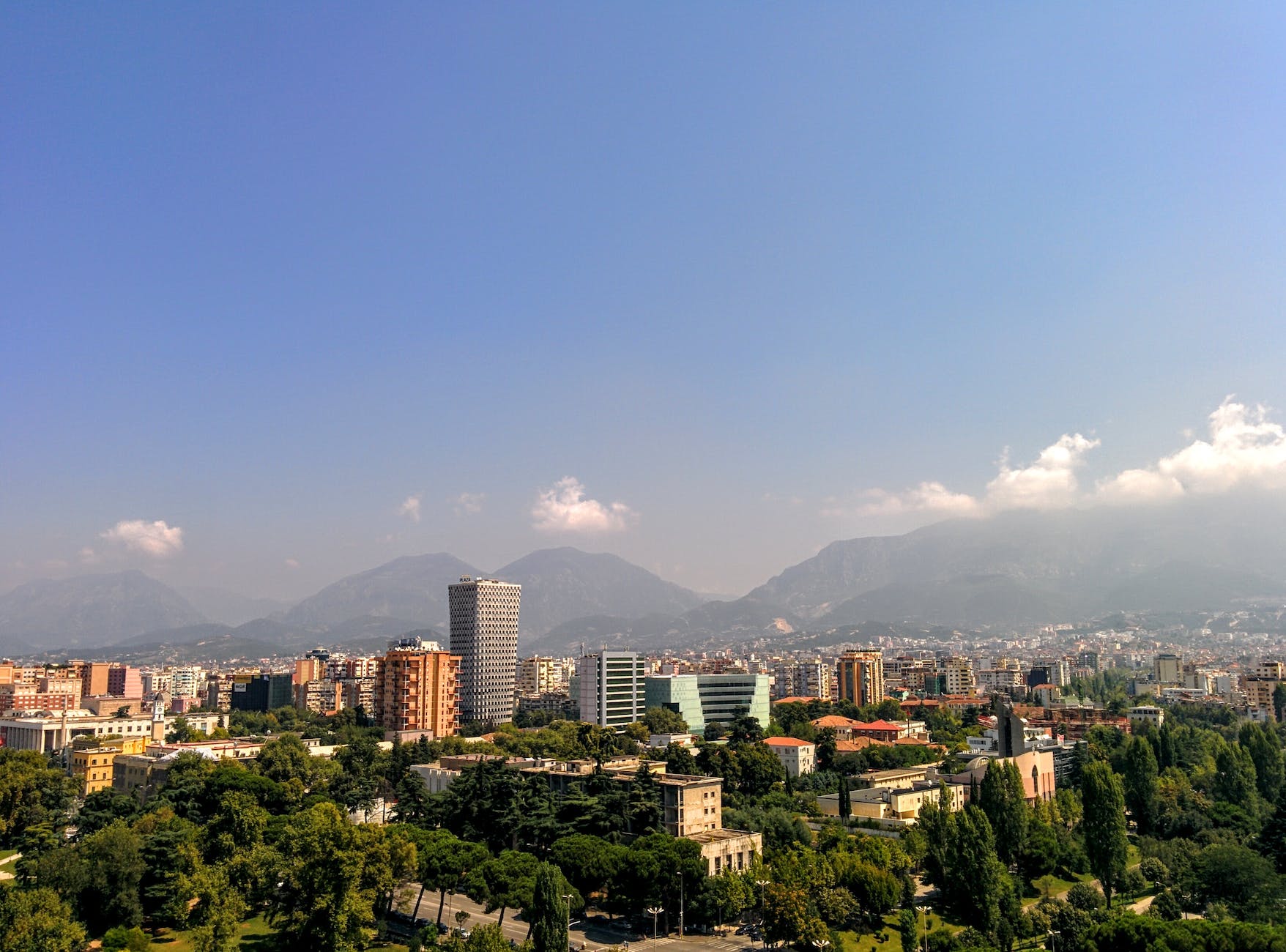
Here is your travel guide for the country of Albania.
Introduction
Albania is a captivating destination located in Southeastern Europe, bordered by Montenegro, Kosovo, Macedonia, and Greece. With a rich historical heritage, stunning landscapes, and a warm Mediterranean climate, Albania offers a unique blend of history, culture, and natural beauty. Interesting facts include its ancient Illyrian roots, a vibrant Ottoman and communist past, and an emerging tourism industry.
Popular Tourist Cities
- Tirana: The vibrant capital city known for its colorful buildings, bustling markets, and lively nightlife.
- Berat: A UNESCO World Heritage Site, Berat is famous for its well-preserved Ottoman architecture and the historic Berat Castle.
- Gjirokastër: Another UNESCO-listed city, Gjirokastër is renowned for its Ottoman-era houses and the imposing Gjirokastër Castle.
- Saranda: Located on the Albanian Riviera, Saranda offers beautiful beaches, crystal-clear waters, and access to the stunning Butrint National Park.
- Shkodër: Situated near Lake Shkodër, this city boasts historical sites like Rozafa Castle and is a gateway to the Albanian Alps.
Getting There
Major Airports: Tirana International Airport (TIA) is the main international gateway to Albania.
Major Train Stations: Tirana Train Station connects the capital with various cities within Albania.
Major Highways: The main highways in Albania include the A1, A2, and A3, connecting different regions of the country.
Visa Requirements: Check the visa requirements for your nationality before traveling to Albania.
Public Transportation: Public buses and minibusses are the primary mode of transportation within and between cities.
Accommodation
Accommodation options range from hotels, guesthouses, hostels, to vacation rentals like apartments and villas.
Popular Neighborhoods: In Tirana, the Blloku neighborhood is known for its trendy cafes and restaurants. In Saranda, the waterfront area is popular due to its proximity to the beach and amenities.
Average Cost of Accommodation: The average cost of accommodation varies depending on the city and type of lodging. Budget options start around $20-30 per night, while mid-range hotels can range from $50-100 per night.
Things to Do
Top Attractions: Visit the ancient ruins of Butrint, explore the stunning Albanian Riviera, discover the natural beauty of the Albanian Alps, and explore the historic cities of Berat and Gjirokastër.
Local Tours: Take a boat trip to the pristine Ksamil Islands, explore the Accursed Mountains, or join a guided city tour of Tirana. Shopping Areas: Explore the local markets like Pazari i Ri in Tirana or the Bazaar of Kruja, known for traditional crafts and souvenirs.
Outdoor Activities: Hiking, trekking, and water sports are popular in areas like the Albanian Alps, Lake Ohrid, and the Albanian Riviera.
Entertainment Venues: Enjoy a vibrant nightlife scene in cities like Tirana, Saranda, and Shkodër, with bars, clubs, and live music venues.
Dining and Nightlife
Popular Local Cuisines: Try traditional dishes like Byrek (savory pastry), Tavë kosi (baked lamb with yogurt), and Fërgesë (pepper and cottage cheese dish).
Budget-Friendly Restaurants: Local restaurants and street food stalls offer affordable options for traditional Albanian cuisine. Upscale Restaurants: In major cities, you can find upscale restaurants offering a fusion of Albanian and international cuisines.
Popular Nightlife Spots: Tirana’s Blloku neighborhood is known for its vibrant nightlife, with clubs, bars, and lounges.
Local Culture and Etiquette
Local Culture: Albanians are known for their hospitality, love for family, and cultural pride. Traditional music, dance, and customs play a significant role in the country’s heritage.
Appropriate Dress Code: While Albanians are generally accepting of diverse styles, it’s respectful to dress modestly when visiting religious sites.
Cultural Norms for Visitors: Greetings and simple phrases in Albanian are appreciated, and it’s customary to remove your shoes when entering someone’s home.
Tipping Practice: Tipping is not mandatory, but it’s common to leave a small tip, usually rounding up the bill or leaving 5-10% of the total amount.
Safety and Health: Vaccinations: Check with your local health authorities or a travel clinic for the latest recommended vaccinations before visiting Albania.
Health Concerns: No specific health concerns, but it’s advisable to have travel insurance and take precautions against common travel-related illnesses. US Embassy: The U.S. Embassy in Albania is located in Tirana.
Useful Information
Local Currency: The currency is the Albanian Lek (ALL).
Language Spoken: Albanian is the official language, but English is widely spoken in tourist areas.
Time Zones: Albania operates on Central European Time (CET), UTC+1.
Best Time of Year to Visit: Spring (April-June) and autumn (September-October) offer pleasant weather and fewer crowds.
Seasonal Festivals: The Tirana International Film Festival and the Gjirokastër National Folklore Festival are popular events.
Contact Information: For more information, you can visit the official website of the Albanian National Tourism Agency or contact local tourism offices in specific cities.
Conclusion
Make sure to do your own research before traveling to any foreign country. It is always a good idea to check for travel advisories from government resources before traveling.
U.S. Department of State – Travel.State.Gov:
- Website: https://travel.state.gov
Centers for Disease Control and Prevention (CDC):
- Website: https://www.cdc.gov/travel
UK Foreign, Commonwealth & Development Office – Travel Advice:

 Harness Money
Leave a comment