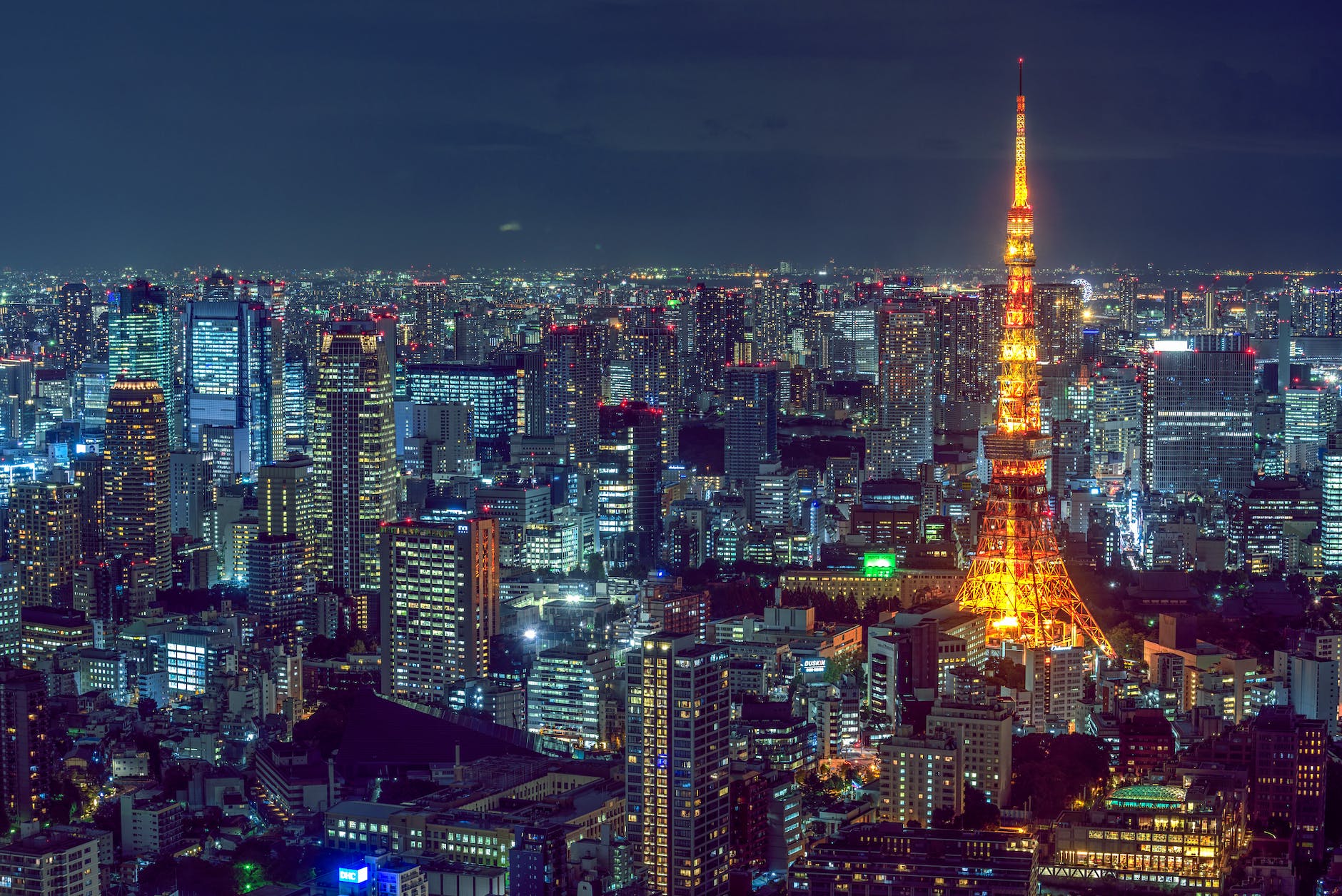
Here is your travel guide for Tokyo:
- Overview:
Tokyo, the capital city of Japan, is a sprawling metropolis that blends traditional culture with futuristic technology. It is one of the world’s most populous cities and serves as the political, economic, and cultural center of Japan. Tokyo is divided into 23 special wards, each with its distinct neighborhoods and attractions.
Here are some key highlights:
– Modern Skyline: Tokyo is known for its impressive skyline dominated by towering skyscrapers and architectural marvels. Landmarks like Tokyo Skytree, Tokyo Tower, and the Tokyo Metropolitan Government Building offer stunning views of the city.
– Traditional Neighborhoods: Despite its modernity, Tokyo has preserved pockets of traditional charm. Areas like Asakusa, with the iconic Senso-ji Temple, and Yanaka, known for its historic atmosphere and old-world charm, allow visitors to experience traditional Japanese culture.
– Shopping Paradise: Tokyo is a shopaholic’s paradise. From luxury brands in Ginza to quirky fashion in Harajuku and trendy boutiques in Shibuya, the city offers an incredible range of shopping experiences. Neighborhoods like Akihabara are famous for electronics, while Ameya-Yokocho Market provides bustling street markets.
– Culinary Delights: Tokyo’s food scene is a sensory delight. From world-renowned sushi restaurants in Tsukiji to bustling street food stalls in Shinjuku and the diverse dining options in the Michelin-starred restaurants of Ginza, Tokyo offers a vast array of culinary experiences.
– Parks and Gardens: Tokyo boasts several beautiful parks and gardens where visitors can escape the bustling city. Ueno Park, Shinjuku Gyoen National Garden, and the gardens surrounding the Imperial Palace are among the popular green spaces for relaxation and cherry blossom viewing.
– Art and Culture: Tokyo is a hub of art and culture, with numerous museums, galleries, and theaters. The Mori Art Museum, National Museum of Western Art, Tokyo National Museum, and Kabuki-za Theater are just a few examples of the city’s cultural offerings.
– Futuristic Entertainment: Odaiba, a waterfront district, showcases futuristic entertainment with attractions like teamLab Borderless, Gundam Statue, and Palette Town’s entertainment complex. Visitors can enjoy shopping, gaming, and immersive digital art experiences.
– Efficient Public Transportation: Tokyo’s transportation system, including its extensive subway and train networks, is known for its efficiency and reliability. It makes getting around the city and accessing various attractions and neighborhoods relatively easy.
– Festivals and Events: Tokyo hosts numerous festivals throughout the year, celebrating traditions, art, music, and more. Some popular festivals include the Cherry Blossom Festival, Sumida River Fireworks Festival, and the lively Asakusa Samba Carnival. - Entry Requirements:
– Valid Passport: All travelers entering Japan must have a valid passport. The passport should be valid for the entire duration of your stay.
– Visa Requirement: Depending on your nationality and the purpose and duration of your visit, you may need to obtain a visa before traveling to Japan. Japan has visa exemption agreements with many countries, allowing their citizens to enter Japan for tourism, business, or short-term stays without a visa for a specified period. The length of the visa-free stay varies by nationality. You can check the Japanese embassy or consulate website in your country to confirm if you need a visa.
– COVID-19 Vaccination: Japan has not made COVID-19 vaccination a mandatory requirement for entry at this time. However, it is advisable to check the latest guidelines, as vaccination requirements or privileges may change.
– Immigration Procedures: Upon arrival in Japan, travelers will need to go through immigration procedures, including filling out an arrival card and presenting their passport and visa (if applicable) to the immigration officer. Biometric data, such as fingerprints and facial recognition, may also be collected. - Best Time to Visit:
The best time to visit Tokyo largely depends on your personal preferences and the experiences you’re seeking. Tokyo experiences four distinct seasons, each with its own unique charm. Here’s a breakdown of the seasons in Tokyo:
– Spring (March to May): Spring is a popular time to visit Tokyo due to the blooming of cherry blossoms (sakura). Late March to early April is typically the peak cherry blossom season in Tokyo. The city becomes a stunning pink paradise, and parks like Ueno Park and Shinjuku Gyoen are ideal for hanami (flower-viewing) picnics. Spring temperatures in Tokyo are generally mild, ranging from 10°C to 20°C (50°F to 68°F).
– Summer (June to August): Summers in Tokyo are hot and humid, with temperatures often exceeding 30°C (86°F) and high levels of humidity. Despite the heat, summer offers lively festivals like the Sumida River Fireworks Festival and vibrant street events. It’s a good time to enjoy outdoor activities, visit Tokyo’s many parks, or cool off in air-conditioned shopping centers. Be prepared for occasional rain showers during the rainy season (June to July).- Autumn (September to November): Autumn is another popular time to visit Tokyo. September and October offer pleasant temperatures ranging from 15°C to 25°C (59°F to 77°F), and the city becomes ablaze with beautiful autumn foliage (koyo) in late October and early November. Parks such as Yoyogi Park and Koishikawa Korakuen Garden are wonderful for strolling amidst the vibrant colors.
– Winter (December to February): Tokyo’s winters are relatively mild compared to other parts of Japan, with temperatures ranging from 0°C to 10°C (32°F to 50°F). While snowfall in Tokyo is rare, you can still experience a festive atmosphere with illuminations throughout the city. Winter is a great time to explore indoor attractions like museums, shopping districts, and enjoy seasonal delights like hot springs and winter cuisine.
Considering factors such as weather, seasonal attractions, and your tolerance for crowds, the best time to visit Tokyo is often during the spring or autumn. These seasons offer comfortable temperatures, pleasant weather, and the chance to witness the beauty of cherry blossoms or autumn foliage. However, Tokyo has something to offer year-round, so any time you choose to visit will provide a unique experience in this vibrant city. - Popular Destinations:
- Shibuya:
- Visit Shibuya Crossing, one of the world’s busiest intersections.
- Explore Center Street and enjoy shopping at Shibuya 109 and Tokyu Hands.
- Pay a visit to the statue of Hachiko, the loyal dog, near Shibuya Station.
- Experience vibrant nightlife at clubs, bars, and live music venues in the area.
- Shinjuku:
- Explore the lively Kabukicho district, known for its nightlife and entertainment.
- Visit Shinjuku Gyoen National Garden for serene greenery and beautiful cherry blossoms.
- Discover the Tokyo Metropolitan Government Building for panoramic views of the city.
- Experience the unique Robot Restaurant for a futuristic dining and entertainment show.
- Asakusa:
- Explore Senso-ji, Tokyo’s oldest and most famous Buddhist temple.
- Stroll through Nakamise Shopping Street, lined with traditional shops and street food.
- Take a boat ride along the Sumida River for scenic views of Tokyo’s skyline.
- Visit the Asakusa Culture Tourist Information Center for a panoramic view of Senso-ji and the city.
- Akihabara:
- Immerse yourself in the world of anime, manga, and electronics.
- Visit maid cafes, gaming arcades, and anime shops.
- Explore electronic stores like Yodobashi Camera and visit the Akihabara Radio Kaikan.
- Experience a unique cultural fusion at the Kanda Myojin Shrine.
- Harajuku and Omotesando:
- Walk along Takeshita Street for quirky fashion, accessories, and street food.
- Visit Meiji Shrine and take a peaceful walk through the adjacent Yoyogi Park.
- Explore Omotesando Avenue, known as Tokyo’s Champs-Élysées, for high-end shopping.
- Discover the Nezu Museum for traditional Japanese art and serene gardens.
- Roppongi:
- Visit the Mori Art Museum for contemporary art and the observation deck for stunning city views.
- Explore the National Art Center Tokyo, featuring various exhibitions.
- Enjoy a vibrant nightlife scene with numerous bars, clubs, and international restaurants.
- Attend a traditional Japanese tea ceremony at Happo-en garden.
- Ueno:
- Explore Ueno Park, home to several museums including the Tokyo National Museum and Ueno Zoo.
- Visit Ameya-Yokocho Market for bargain shopping and street food.
- Discover the historic Ueno Toshogu Shrine and Shinobazu Pond.
- Experience the annual Ueno Sakura Matsuri (Cherry Blossom Festival) during spring.
- Odaiba:
- Enjoy panoramic views from the observation decks of Tokyo Tower or Tokyo Skytree.
- Visit Odaiba Seaside Park and relax on the beach or take a ride on the Ferris wheel.
- Explore futuristic attractions like teamLab Borderless and the Gundam Statue.
- Shop at the Palette Town complex, featuring VenusFort shopping mall and MegaWeb Toyota City Showcase.
- Ginza:
- Experience luxury shopping at upscale boutiques and department stores.
- Explore the Kabuki-za Theater for traditional Kabuki performances.
- Visit the Tsukiji Fish Market for fresh seafood and sushi.
- Enjoy fine dining at Michelin-starred restaurants in the area.
- Day Trips from Tokyo:
- Nikko: Visit UNESCO World Heritage Sites such as Toshogu Shrine and enjoy nature hikes.
- Kamakura: Explore ancient temples, including the Great Buddha at Kotoku-in, and visit Kamakura’s beautiful beaches.
- Hakone: Relax in natural hot springs (onsen), enjoy stunning views of Mount Fuji, and visit the Hakone Open-Air Museum.
- Shibuya:
- Outdoor Activities:
Tokyo offers a range of outdoor activities for those looking to soak up the city’s energetic atmosphere while enjoying nature. Take a leisurely stroll or have a picnic in the expansive Ueno Park, which features beautiful gardens, museums, and a zoo. For a peaceful escape, explore the lush greenery of Shinjuku Gyoen National Garden, where you can wander through meticulously manicured landscapes and relax amidst the serene surroundings. Another outdoor gem is the Sumida River, where you can take a scenic boat ride or walk along the waterfront promenades to enjoy views of Tokyo’s skyline. If you’re seeking a more active adventure, consider renting a bicycle and cycling around Odaiba, a waterfront area with parks, cycling paths, and picturesque views of Tokyo Bay. Tokyo also boasts several hiking trails in its surrounding mountains, such as Mount Takao, where you can embark on nature hikes and be rewarded with panoramic vistas of the city. Whether it’s exploring parks, cycling along rivers, or hiking in the mountains, Tokyo provides ample opportunities for outdoor enthusiasts to connect with nature and enjoy the city’s vibrant outdoor spaces. - Wildlife Experiences:
Tokyo may be a bustling metropolis, but it still offers some intriguing wildlife experiences for nature enthusiasts. One such place is Ueno Zoo, located within Ueno Park, where you can encounter a variety of animal species, including giant pandas, elephants, lions, and more. Another popular spot is Tama Zoological Park, located on the outskirts of Tokyo. This expansive zoo is home to a wide range of animals, including gorillas, polar bears, giraffes, and various bird species. If you’re interested in marine life, visit the Sunshine Aquarium in Ikebukuro, which houses a diverse array of aquatic creatures and offers entertaining dolphin shows. For a unique wildlife encounter, head to the small island of Okunoshima, also known as “Rabbit Island,” where you can interact with hundreds of friendly wild rabbits freely roaming the island. While Tokyo’s wildlife experiences may not match the offerings of natural reserves, these attractions provide an opportunity to observe and learn about different animal species in an urban setting. - Cultural Experiences:
Tokyo is a city rich in cultural experiences that allow visitors to immerse themselves in Japanese traditions and heritage. One must-visit destination is the historic neighborhood of Asakusa, home to the iconic Senso-ji Temple. Take a stroll along Nakamise Shopping Street, lined with traditional shops selling snacks, souvenirs, and handicrafts. Another cultural gem is Meiji Shrine, located in the heart of Tokyo’s bustling Shibuya district. This tranquil shrine is dedicated to Emperor Meiji and offers a serene escape from the city’s hustle and bustle. For a taste of traditional Japanese performing arts, catch a kabuki or bunraku performance at the famous Kabuki-za Theater in Ginza. To delve deeper into Japan’s art scene, explore the vibrant neighborhood of Ueno, known for its numerous museums and galleries, including the Tokyo National Museum and Ueno Royal Museum. Additionally, Tokyo hosts various festivals throughout the year, offering a chance to witness colorful processions, traditional dances, and vibrant street performances. From exploring ancient temples to witnessing traditional arts and participating in cultural festivities, Tokyo provides a plethora of opportunities to engage with Japanese culture and gain a deeper appreciation for its traditions. - Transportation:
Tokyo offers a comprehensive and efficient transportation system that makes getting around the city a breeze. The most common mode of transportation is the extensive subway network, operated by Tokyo Metro and Toei Subway. With numerous lines connecting every corner of the city, the subway is a convenient way to navigate Tokyo’s neighborhoods and reach popular attractions. Another popular option is the JR (Japan Railways) lines, which provide both local and long-distance train services. The Yamanote Line, in particular, loops around central Tokyo and stops at major hubs like Shibuya, Shinjuku, and Tokyo Station. Buses are also available, serving areas with limited subway access or for traveling short distances. Tokyo’s transportation system is known for its punctuality and cleanliness, and signs and announcements are usually provided in English as well. For those looking for a more unique experience, exploring the city by bicycle can be an enjoyable option, with dedicated cycling lanes and rental services available. Finally, taxis are widely available, although they can be more expensive compared to other modes of transportation. Overall, Tokyo’s transportation options provide convenient and reliable ways to explore the city’s diverse neighborhoods and attractions. - Currency and Language:
The currency used in Tokyo, as well as throughout Japan, is the Japanese yen (JPY). The yen comes in various denominations, including coins (1 yen, 5 yen, 10 yen, 50 yen, 100 yen, and 500 yen) and banknotes (1,000 yen, 2,000 yen, 5,000 yen, and 10,000 yen). Cash is widely accepted in most places, including shops, restaurants, and transportation services. However, major credit cards such as Visa, Mastercard, and American Express are also accepted in many establishments, especially in tourist areas and larger businesses. It’s always a good idea to carry some cash for smaller shops, street vendors, and local establishments that may not accept cards. ATMs can be found throughout the city, particularly at convenience stores, post offices, and banks, where you can withdraw cash using international debit or credit cards. Exchanging foreign currency to yen is typically done at airports, banks, or authorized currency exchange offices. - Safety:
Japan is generally a safe destination for travelers. However, it’s important to take normal precautions, such as keeping an eye on your belongings, following safety guidelines for outdoor activities, and being aware of the weather conditions. - Health:
Ensure you have travel insurance that covers medical expenses. Check with your healthcare provider regarding any necessary vaccinations or health precautions before traveling to Japan. - Time Zones:
Tokyo, Japan is in the Japan Standard Time (JST) zone. JST is 9 hours ahead of Coordinated Universal Time (UTC+9). It’s important to take the time difference into account when planning your travels or communicating with people in Tokyo from other parts of the world. - Airports:
– Narita International Airport (NRT): Located in Chiba Prefecture, approximately 60 kilometers (37 miles) east of central Tokyo, Narita Airport is the main international gateway to Tokyo. It serves a large number of international flights from around the world and is well-connected to the city by various transportation options, including trains, buses, and taxis.
– Haneda Airport (HND): Situated in Ota Ward, Haneda Airport is Tokyo’s primary domestic airport and also serves international flights. It is closer to central Tokyo, just around 14 kilometers (9 miles) south of the city center. Haneda Airport offers a wide range of domestic flights within Japan and has an increasing number of international routes. It is well-connected to the city by trains, monorail, buses, and taxis.
Remember to check the latest travel advisories and guidelines before your trip to ensure a safe and enjoyable visit to Tokyo.
Conclusion
Make sure to do your own research before traveling to any foreign country. It is always a good idea to check for travel advisories from government resources before traveling.
U.S. Department of State – Travel.State.Gov:
- Website: https://travel.state.gov
Centers for Disease Control and Prevention (CDC):
- Website: https://www.cdc.gov/travel
UK Foreign, Commonwealth & Development Office – Travel Advice:

 Harness Money
Leave a comment