What is the FICO score?
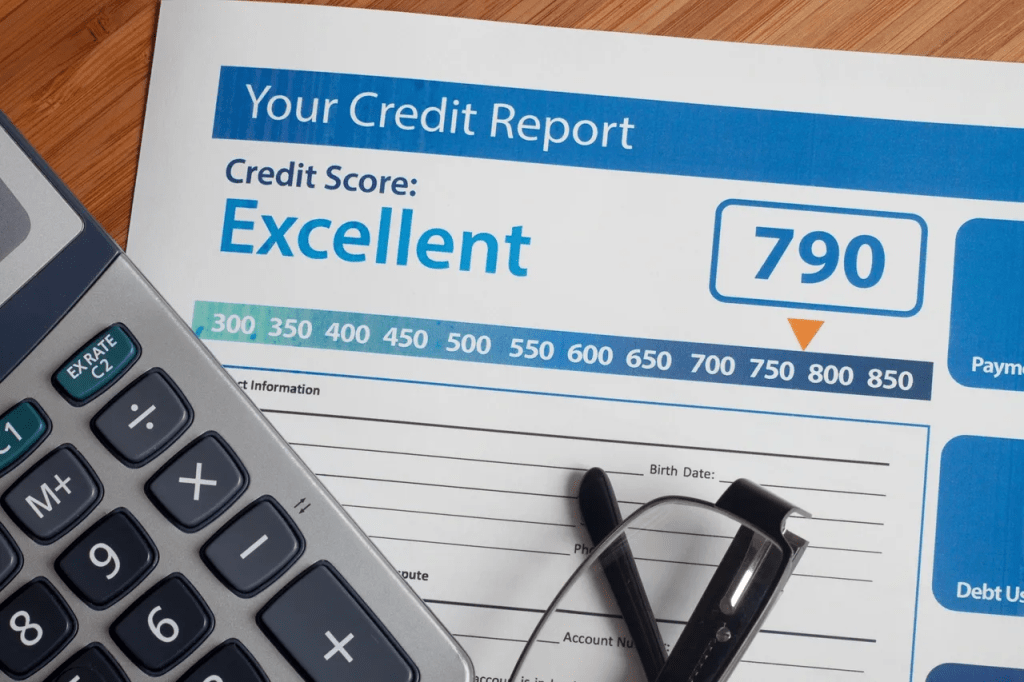
The FICO score is a credit scoring model widely used by lenders to assess an individual’s creditworthiness. It was developed by the Fair Isaac Corporation (FICO) and has become a standard measure of credit risk in the United States. The FICO score ranges from 300 to 850, with a higher score indicating lower credit risk and greater creditworthiness.
Here are key points about the FICO score:
1. Calculation: FICO scores are calculated based on information from credit reports maintained by the three major credit bureaus: Experian, Equifax, and TransUnion. The scoring model takes into account various factors, including payment history, credit utilization, length of credit history, credit mix, and recent credit inquiries.
2. Factors influencing the score: The FICO score considers multiple factors to determine creditworthiness. The most significant factors are payment history, which includes on-time payments and any delinquencies, and credit utilization, which measures the amount of available credit being used. Other factors include the length of credit history, types of credit used (such as credit cards, loans, and mortgages), and recent credit inquiries.
3. Importance to lenders: Lenders, including banks, credit card companies, and mortgage lenders, use the FICO score to assess the creditworthiness of borrowers. A higher score indicates lower risk, making it more likely for individuals to qualify for loans or credit cards and obtain favorable interest rates and terms.
4. Score ranges and interpretations: FICO scores are typically grouped into different ranges to provide a general interpretation of creditworthiness. While specific ranges may vary, a common breakdown is:
– Excellent (800-850): Very low credit risk, highly likely to receive favorable terms and interest rates.
– Very Good (740-799): Low credit risk, good chances of getting approved for credit and competitive rates.
– Good (670-739): Moderate credit risk, generally able to qualify for credit but may not receive the best terms.
– Fair (580-669): Higher credit risk, may have difficulty qualifying for credit or receive less favorable terms.
– Poor (300-579): High credit risk, limited credit options available, and may need to work on improving credit.
5. Monitoring and improvement: It’s important to regularly monitor your credit reports and FICO score to identify any errors or potential issues. If your FICO score is lower than desired, you can take steps to improve it, such as paying bills on time, reducing credit card balances, maintaining a diverse credit mix, and limiting new credit applications.
Keep in mind that lenders may use variations of the FICO score or other credit scoring models to assess creditworthiness. It’s advisable to check with lenders to understand the specific scoring model they use when considering credit applications.

 Harness Money
Leave a comment