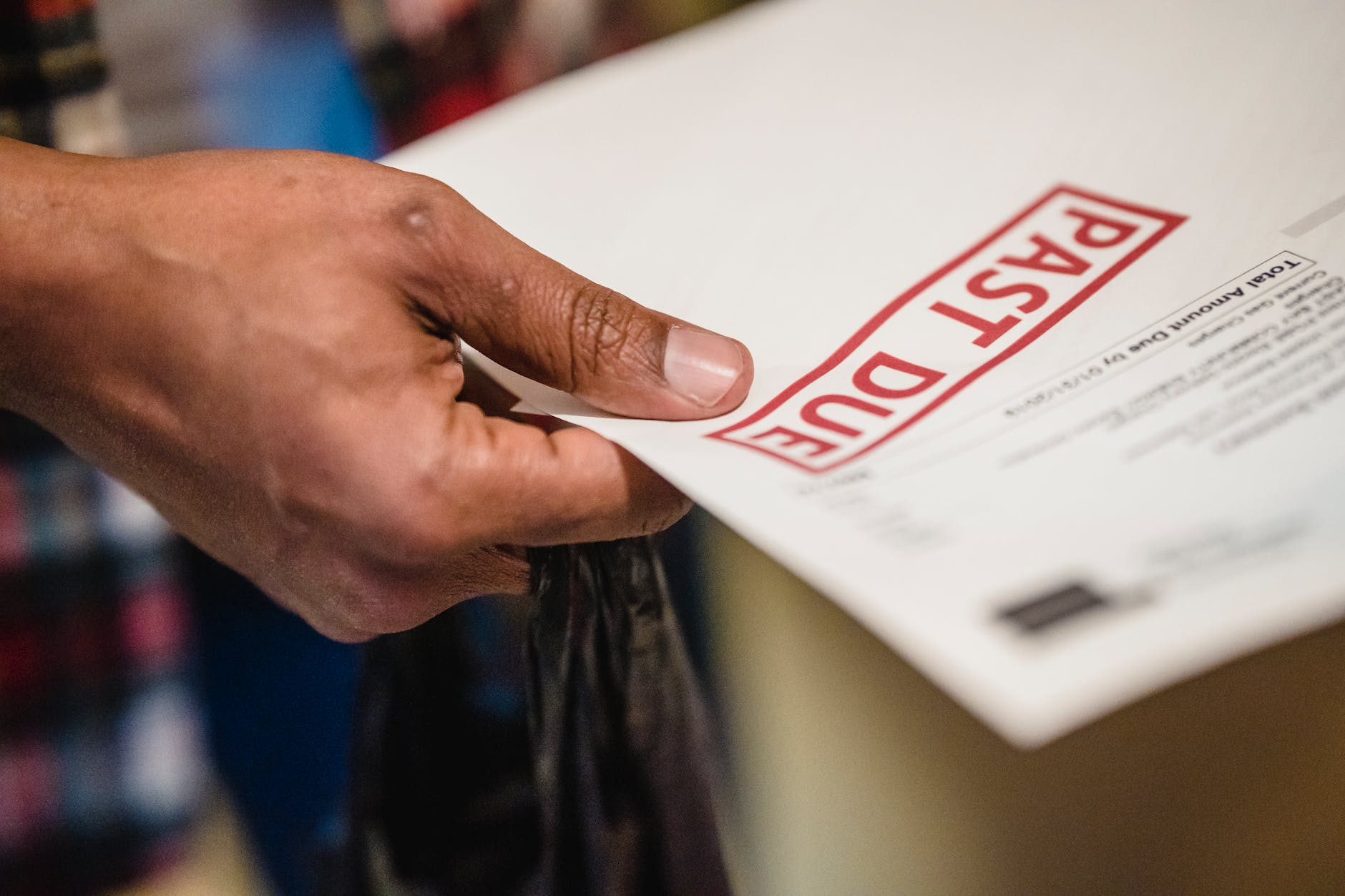
Dealing with debt collections can be stressful, but understanding your rights and taking appropriate action can help you navigate the process. Here are some key steps to consider when dealing with debt collections:
- Know Your Rights: Familiarize yourself with the Fair Debt Collection Practices Act (FDCPA) in the United States or the applicable debt collection laws in your country. These laws outline the rights of consumers and provide guidelines on how debt collectors can communicate with you. Understanding your rights can help you recognize when debt collectors are crossing the line and take appropriate action.
- Validate the Debt: If you receive a debt collection notice, you have the right to request validation of the debt. Within a specific timeframe (typically 30 days), send a written request to the collection agency asking them to provide proof that you owe the debt. The agency must provide documentation, such as the original creditor’s name, the amount owed, and verification of the debt’s legitimacy. Be sure to keep copies of all correspondence.
- Communicate in Writing: When dealing with debt collectors, it’s generally recommended to communicate in writing rather than over the phone. This allows you to maintain a clear record of all interactions and provides evidence if any issues arise in the future. Send letters through certified mail with a return receipt requested to ensure proof of delivery.
- Keep Records: Keep detailed records of all communications, including dates, times, names of the collection agency representatives, and the content of discussions. This documentation can be valuable if any disputes arise or if you need to file complaints against the collection agency.
- Validate the Creditor’s Authority: Debt collections may change hands multiple times, and it’s important to verify that the collection agency has the legal authority to collect the debt. Request documentation that proves the agency has the right to collect from you. This helps ensure that you’re dealing with a legitimate entity.
- Negotiate and Settle: If you determine that the debt is valid and you’re unable to pay the full amount, consider negotiating a settlement with the collection agency. Offer a lump sum payment or propose a payment plan that fits your budget. Ensure that any settlement agreement is provided in writing before making any payments.
- Beware of Time-Barred Debts: Debt has a statute of limitations, which varies by jurisdiction. Once this time period has passed, the debt is considered time-barred, and creditors can no longer sue you for payment. However, it’s important to note that making any payments on a time-barred debt can restart the clock. Consult with a legal professional to understand the statute of limitations for your specific debt.
- Dispute Inaccurate Information: If you believe that the debt collection is inaccurate or that you’re being pursued for a debt you don’t owe, you have the right to dispute the information. Send a written dispute letter to both the collection agency and the credit bureaus, providing any supporting documentation to back up your claim. The collection agency must investigate and respond to your dispute.
- Report Violations: If you believe a debt collector has violated your rights under the FDCPA or other applicable laws, report the violation to the appropriate regulatory authorities, such as the Consumer Financial Protection Bureau (CFPB) in the United States. Provide them with all relevant details and documentation to support your claim.
- Seek Legal Advice: If you’re facing complex debt collection issues, it may be beneficial to consult with an attorney who specializes in consumer law. They can provide guidance based on your specific situation and help protect your rights.
Remember, it’s crucial to stay proactive and informed when dealing with debt collections. Understanding your rights and taking appropriate action can help you navigate the process more effectively and protect your interests.

 Harness Money
Leave a comment